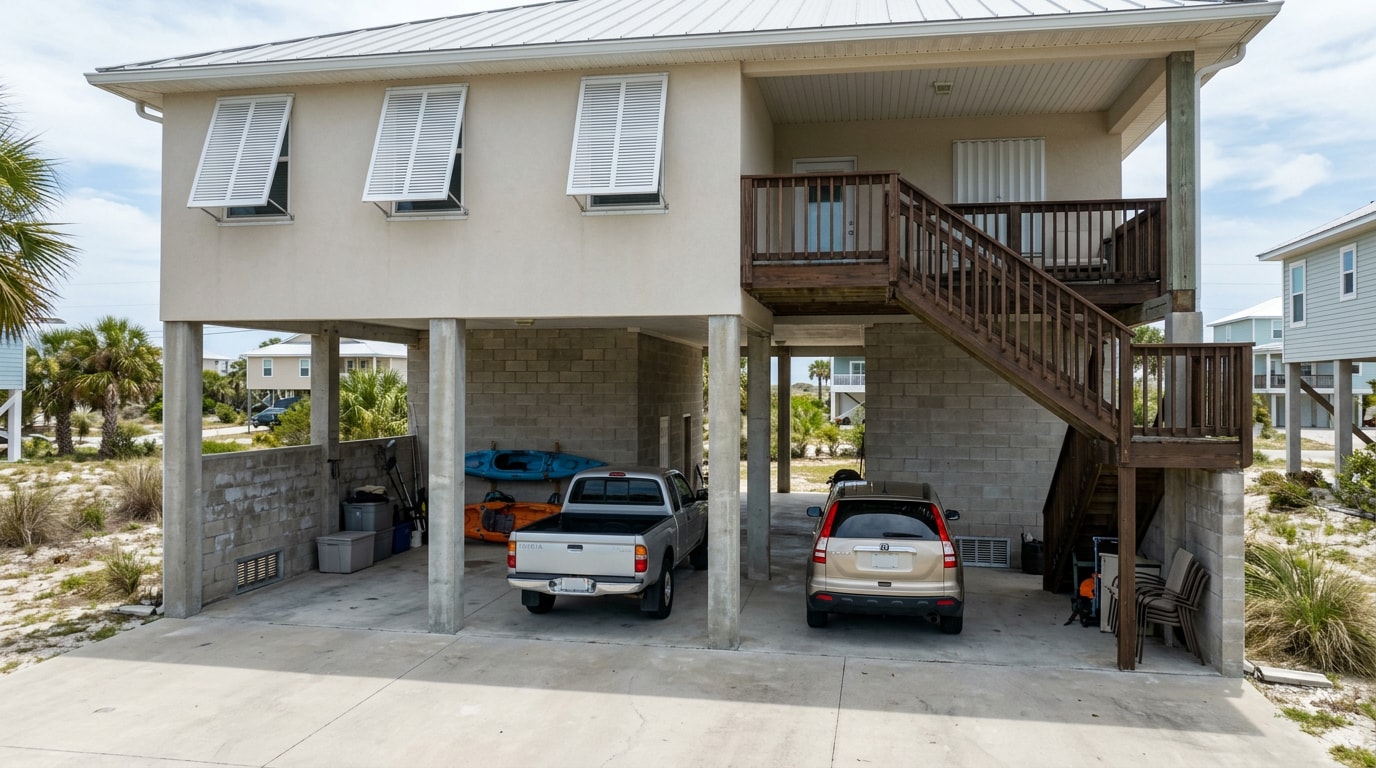
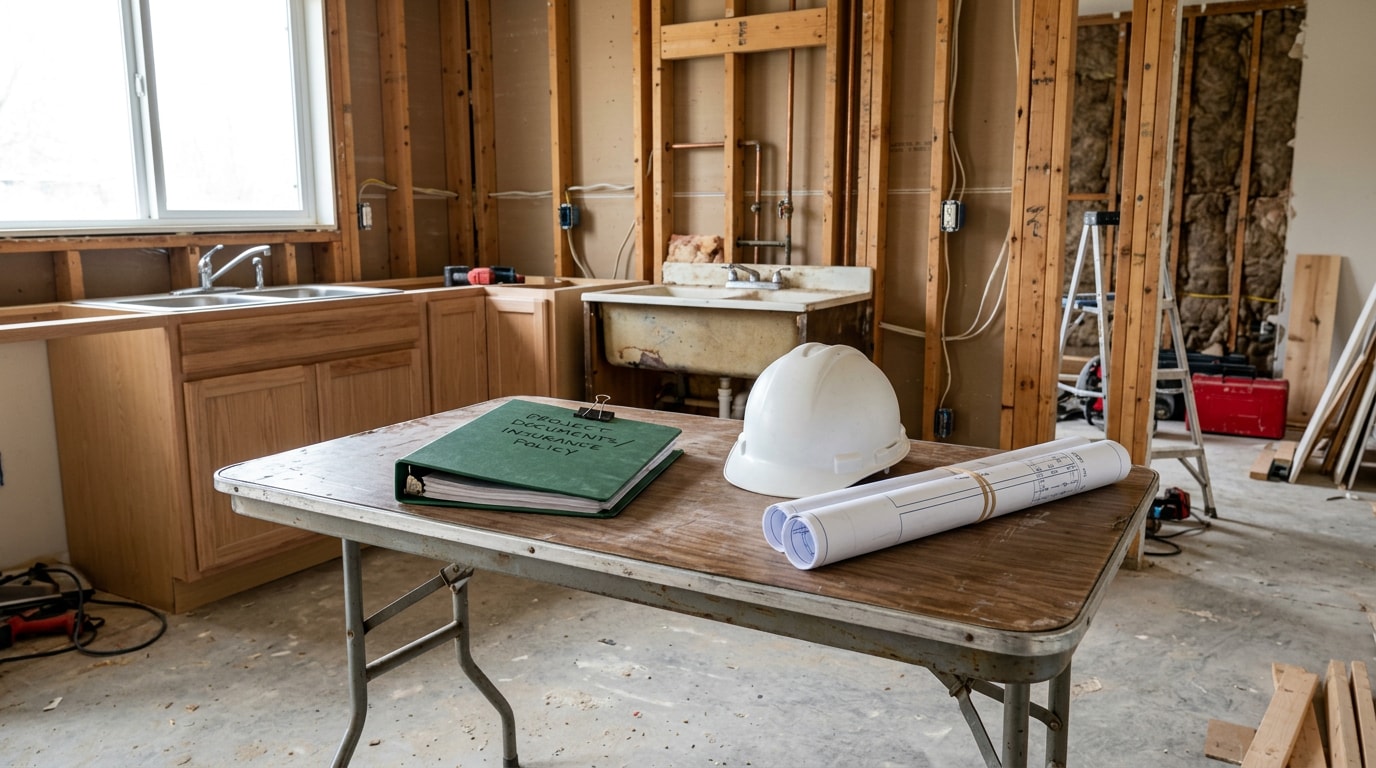
Homeowners insurance during remodeling South Miami works differently than most people expect, and the gap usually surfaces after a loss, not before. A standard policy that fully protected your home yesterday may not stretch to cover an open roof, a vacant addition, or an uninsured subcontractor today. Here's exactly where your coverage ends, what to add, and when to call your agent before the first permit gets pulled.
What Your Standard Homeowners Policy Covers During a Remodel
A typical HO-3 policy was written for a stable, occupied, finished home. It doesn't account for open walls, temporary power, or a crew coming and going every day. That mismatch is exactly why so many remodeling-related claims end up disputed.
Covered vs. Excluded During Construction
Most standard policies still respond to a short list of sudden, named perils while work is underway. Here's the usual split:
- Generally covered: fire, lightning, theft, windstorm, and vandalism to the existing structure
- Generally excluded: faulty workmanship, flood damage, normal wear and tear, and losses tied to extended vacancy
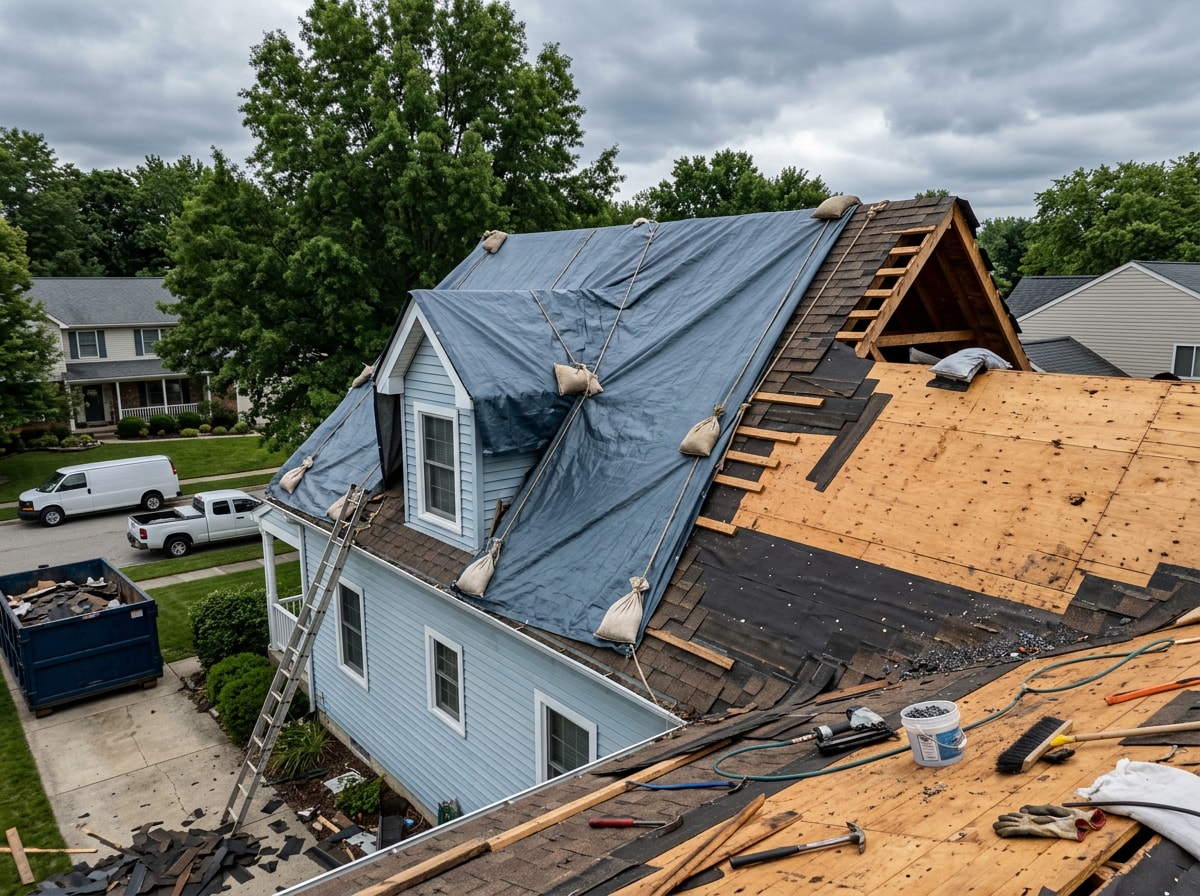
- Gray area: storm damage through an open roof tarp may be covered; water intrusion from a contractor's bad flashing job is usually treated as a workmanship issue and denied
Many insurers also start limiting coverage for certain perils once a home sits vacant for an extended stretch during a project. The exact threshold varies by carrier, so if your remodel will keep the house empty for more than a few weeks, ask your agent directly rather than assuming you're still covered the same way.
Builder's Risk Insurance vs. Standard Homeowners Insurance
This is the single most confusing decision point in remodel insurance, and the right answer depends on project size, occupancy, and timeline rather than a fixed rule.
A standard policy is often enough for smaller, contained projects where the home stays occupied, such as a bathroom refresh or a kitchen refacing that doesn't touch structural elements. The catch: most policies carry sub-limits on building materials stored on-site, which can leave a real gap if a pallet of cabinets or appliances disappears before installation.
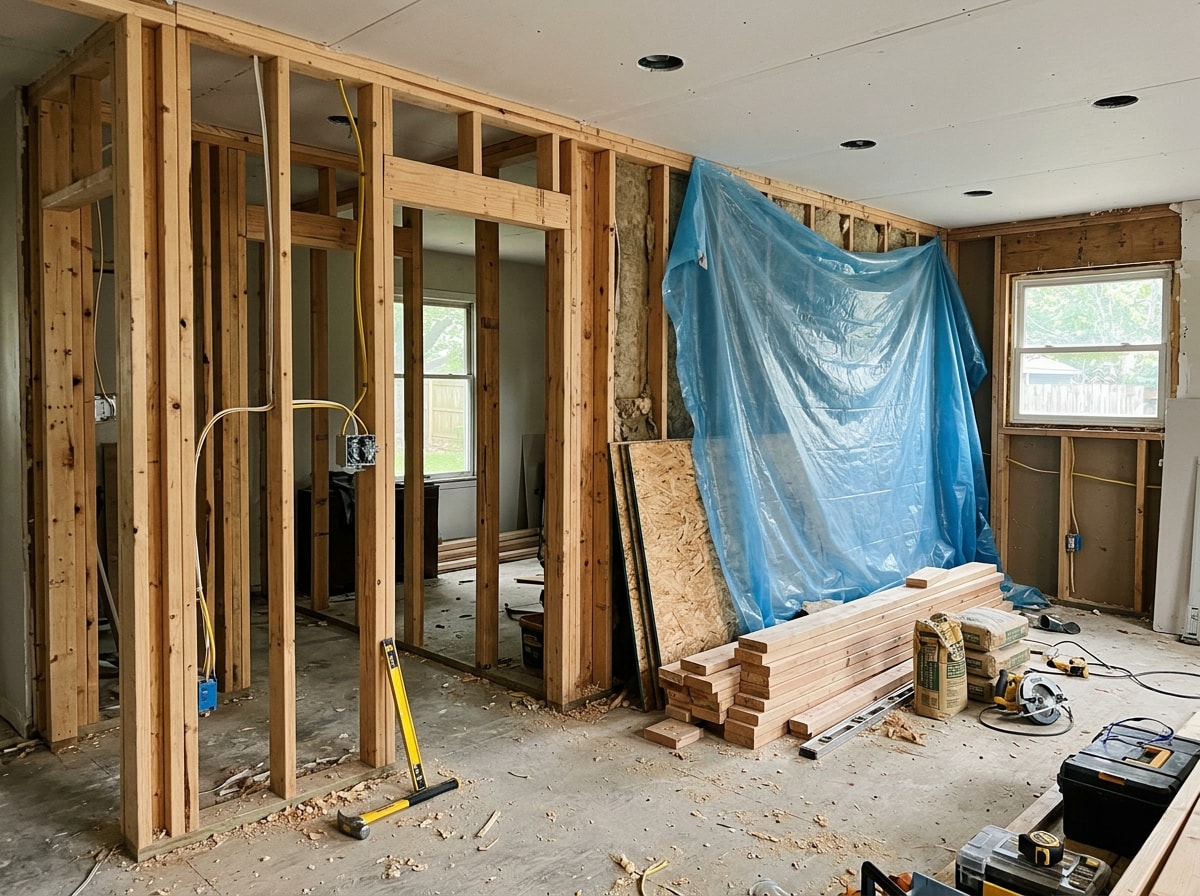
Builder's risk insurance, sometimes called course-of-construction coverage, is a short-term policy built specifically for a property under active construction. It typically runs in 3, 6, or 12-month terms and covers the structure, materials, and labor against loss while the build is in progress. Industry estimates commonly put the cost somewhere between 1% and 5% of total project value, though the final rate depends on scope, location, and coverage limits.
| Coverage Type | What It Covers | Best For |
|---|---|---|
| Standard HO-3 | Finished structure, contents, liability | Small, occupied-home projects |
| Builder's Risk | Structure, materials, and labor during active construction | Additions, major remodels, extended timelines |
| Vacant-Home Endorsement | Fire, vandalism, and limited perils during vacancy | Homes unoccupied for the remodel |
A full addition, an extended vacancy, or months of open-air exposure during hurricane season is usually the point where builder's risk makes more financial sense than relying on your existing policy alone.
Why Miami-Dade Raises the Stakes for Remodeling Coverage
In Miami-Dade, a routine coverage gap, like an unreported project scope or an uninsured sub, can turn into a far bigger financial exposure than it would elsewhere. The county's High-Velocity Hurricane Zone (HVHZ) rules, elevated rebuild costs, and active storm season all raise what's at stake if something goes wrong mid-project.
A roof left partially open during a reroof, scaffolding that becomes storm debris, or a vacant addition during peak hurricane months aren't hypothetical risks here. They're seasonal realities. A home mid-remodel is often less protected than it was before work started, not more, which is the opposite of what most homeowners assume.
Current HVHZ construction and permitting requirements are maintained by Miami-Dade County's building permits division, and it's worth reviewing them before any exterior work begins.
In projects we've managed across South Miami and the surrounding areas, the most common insurance surprise isn't a denied claim. It's a homeowner discovering mid-project that their carrier was never told the scope changed from a cosmetic refresh to a structural addition.
Your Contractor's Insurance Comes Before Your Own Policy
Before any conversation about your own coverage, confirm the contractor's insurance. It's the layer that responds first if someone gets hurt on the job or property gets damaged on their watch.
A current certificate of insurance should show active general liability coverage and, if they have employees, workers' compensation that matches the scope of work. One detail most homeowners skip: ask to be added as an additional insured on the contractor's general liability policy for the duration of the job, not just handed a certificate to glance at.
Homeowners often assume their own policy will absorb a construction-related injury or damage claim. A legitimate liability claim against an uninsured contractor can land back on the homeowner's policy, or worse, outside any coverage entirely. You can confirm a Florida contractor's active license directly through the Florida DBPR license verification portal before signing anything.
At Kitchen & Decor, we coordinate licensing and insurance documentation as a standard part of every project. If you're sourcing a contractor locally, our South Miami service area page outlines what to expect from crews working in the area.
A Simple Before, During, and After Insurance Timeline
Most coverage disputes trace back to a conversation that never happened.
- Before the project starts: tell your insurer the scope of work, the contractor's name and insurance status, and whether the home will stay occupied
- During the project: flag any changes to that scope; a bathroom remodel that turns into a structural addition is a different risk than what was originally reported
- After completion: request a coverage review so your dwelling limit reflects the home's new replacement cost
A home remodeling consultation is a good time to nail down the exact scope you'll report to your carrier, before plans shift mid-build.
The 80% Rule and Coverage Adjustments
Many homeowners policies apply an 80% rule: if your dwelling coverage falls below roughly 80% of the home's full replacement cost, the insurer may only pay a reduced, prorated amount on a claim rather than the full repair cost, according to the Insurance Information Institute.
A remodel that adds square footage or upgrades finishes can raise your home's replacement value substantially, sometimes without the policy limit automatically adjusting to match. That gap tends to go unnoticed until a claim, which is exactly when it causes the most damage.
Local Endorsements Worth Checking Before You Remodel
A handful of endorsements get overlooked in South Miami far more often than they should:
- Ordinance-or-law coverage helps pay for code-required upgrades after a covered loss
- Vacancy permit endorsement keeps coverage active if the home sits empty longer than the standard limit allows
- Water-backup coverage addresses a common South Florida claim type many standard policies exclude by default
- Wind mitigation re-inspection after major roof or window work can update your discount, or confirm you haven't accidentally lost one
If your scope includes roof, window, or structural work, it's worth coordinating that timeline with your insurance review so the finished product matches both code and coverage expectations. Our guide on kitchen construction in South Miami walks through permit and cost expectations for projects that often trigger these endorsement questions.
Ready to scope a project the right way from day one? Get a free estimate and we'll walk through the construction timeline you'll need to hand your insurer.
FAQ
Does homeowners insurance cover DIY remodeling?
Coverage for DIY work varies by carrier and can be more limited than professionally contracted work, since some insurers view owner-performed construction as higher risk. Damage caused by a DIY mistake, such as faulty wiring or improper framing, is often excluded. Confirm your policy's stance on owner-performed work before starting any structural or electrical project yourself.
Will my policy cover me if I have to move out during the remodel?
If a covered peril forces you out, additional living expenses coverage may help with temporary housing costs. That's different from voluntarily moving out for renovation convenience. Planned vacancy during a remodel often isn't covered the same way and may require a vacancy endorsement.
Does homeowners insurance cover damage that happens during a renovation?
Generally, yes, for sudden covered perils like fire, theft, or windstorm, but not for issues tied to the renovation itself, such as poor workmanship or materials left exposed to the elements. Carriers evaluate this case by case based on whether the cause was a covered peril or a construction defect.
What's the difference between builder's risk insurance and homeowners insurance during renovations?
Homeowners insurance covers the existing structure and contents under normal living conditions. Builder's risk insurance is a temporary policy built specifically for the construction period, covering materials, labor, and the structure as it changes. Larger projects, additions, or extended vacancies typically call for builder's risk.
Do I need to tell my insurance company about renovations?
Yes. Notifying your insurer before major work begins helps avoid disputes later, since an unreported scope change can affect how a claim is handled. If you skip this step and a claim comes in in the middle of construction, the carrier can investigate the discrepancy and may delay, reduce, or deny payment based on what was on file at the time of loss.
Does homeowners insurance cover structural collapse during a remodel?
Many policies specifically address collapse caused by defective materials or construction methods while work is in progress, but the exact wording varies by carrier and policy form. Ask your agent to point you to the collapse provision in your specific policy before a structural project begins.
Can a remodel affect my insurance rate or wind mitigation discount in South Miami?
Yes, in both directions. Upgrades like a code-compliant reroof or impact windows can improve your wind mitigation credits and lower your premium, while added square footage or higher-end finishes usually raise your home's replacement cost and your rate. A post-project wind mitigation re-inspection is the way to confirm which way yours moved.
About the Author
This guide was prepared by the project planning team at Kitchen & Decor, general contractors coordinating kitchen, bathroom, and whole-home remodels across South Miami and Miami-Dade. For project-specific insurance questions, consult a licensed Florida insurance agent. For construction planning and documentation support, contact us.