Basement improvements in Key Biscayne start with a question most homeowners don't expect: is a finished basement even legal on your lot? Because the island sits almost entirely inside a mapped flood hazard zone, the answer shapes every waterproofing, repair, and remodeling decision that follows. This guide walks through what the code permits below grade, how to protect what's already there, and what real costs look like in 2026.
Visit Kitchen and Decor Center Corp to see our services and request a free estimate.
Why "Basement" Means Something Different in a Key Biscayne Flood Zone
Most U.S. basement guides assume you can excavate, frame, insulate, and finish a below-grade room into a bedroom, office, or media space. That assumption breaks down on a barrier island.
Properties in the Village are in a Federal Emergency Management Agency (FEMA) designated flood hazard area, and most of the land within the Village is in the floodplain.
The entire Village is in the Special Flood Hazard Area. Miami-Dade's own building official put it bluntly in a 2022 interview, noting the risk extends everywhere on the island "because all of the Key is in a flood zone to some extent."
That status drives real construction limits, not just insurance paperwork. NFIP regulations do not allow basements to extend below the base flood elevation except in dry-floodproofed, non-residential buildings. The Florida Building Code backs that up directly: basement floors that are below grade on all sides must be elevated to or above base flood elevation plus one foot, or the design flood elevation, whichever is higher.
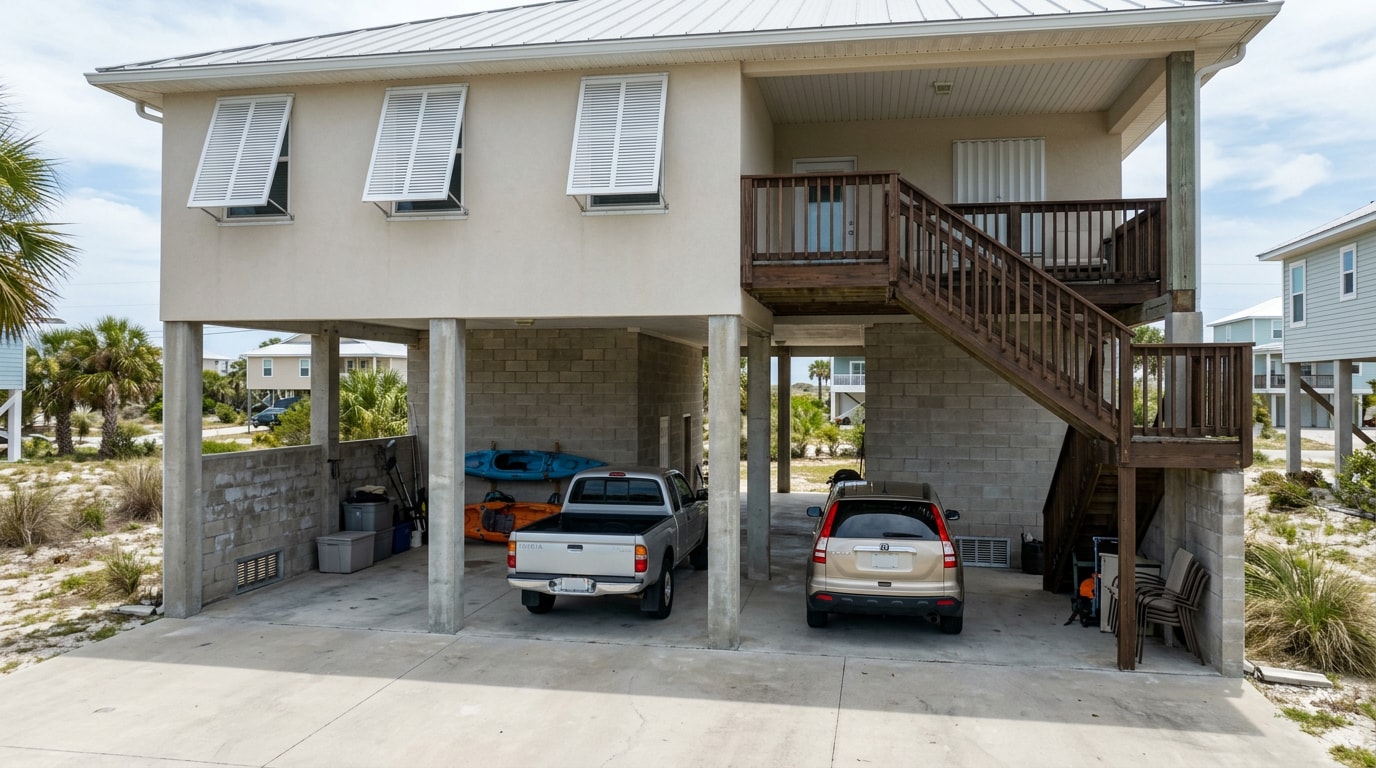
In practice, this is why true below-grade basements are rare on the island. What homeowners usually mean by "basement improvements" here is one of three things: a ground-level enclosure used for parking or storage under an elevated home, a legacy below-grade space in an older pre-flood-code house, or a garage-level flex area that sits at or near grade. Each has different rules, and getting that distinction right before you spend money on waterproofing or finishing is the first real decision point.
What You Can Actually Improve Below Grade or at Ground Level
Enclosed areas below the required flood elevation aren't off-limits, they're just restricted in use and construction material. The federal guidance is specific:
- Space below the base flood elevation can be used only for parking, limited storage, or building access, not as habitable living space.
- Walls and finishes in that space must use flood damage-resistant materials, not standard drywall or carpet.
Areas below the base flood elevation must be constructed with flood damage-resistant materials, and flood openings to allow the automatic entry and exit of floodwaters must be installed, so water can pass through rather than build up against the foundation.
- Any project touching fill, foundation work, or an enclosure below the base flood elevation generally needs a floodplain development permit in addition to the standard building permit.
Newer Key Biscayne homes are typically built with living space raised above base flood elevation, with garages and storage kept below it, while older, lower homes sit closer to grade and closer to the water table. That difference matters a lot when you're scoping a project: a 1960s ranch and a post-Andrew elevated home need completely different waterproofing and permitting approaches.
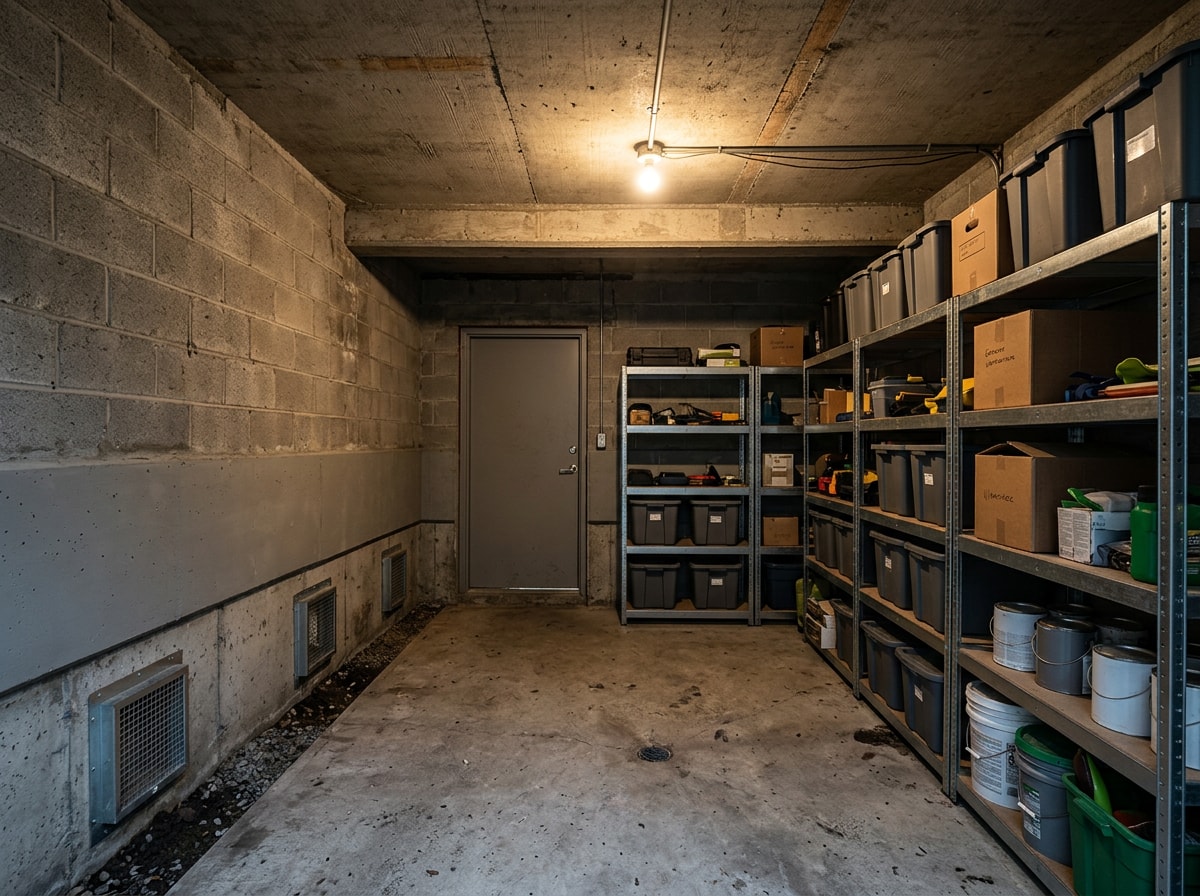
If you're not sure which category your property falls into, a home remodeling consultation before any demolition or framing work can save you from a failed inspection later. We've walked Key Biscayne homeowners through this exact conversation more than once, and it almost always changes the scope of the project once the flood zone constraints are on the table.
Signs of Water Intrusion and Foundation Trouble
Water and structural problems travel together in a coastal enclosure. Standing water against a foundation wall softens soil, adds hydrostatic pressure, and over time can push walls out of alignment.
Watch for:
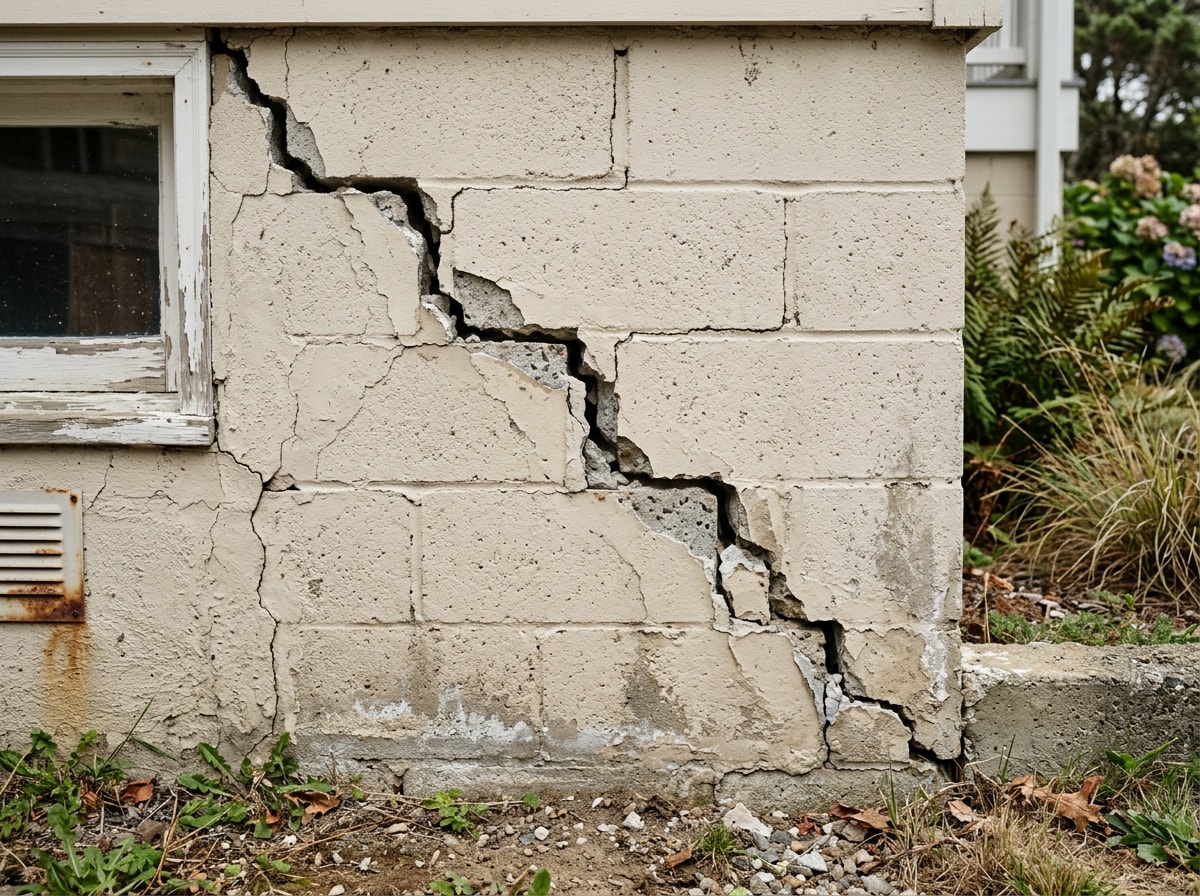
- Stair-step cracks in block or stucco walls
- Visibly bowing or leaning walls
- Doors or windows that stick without an obvious cause
- Uneven or sloping floors near the enclosure
- A persistent musty smell, even with the space ventilated
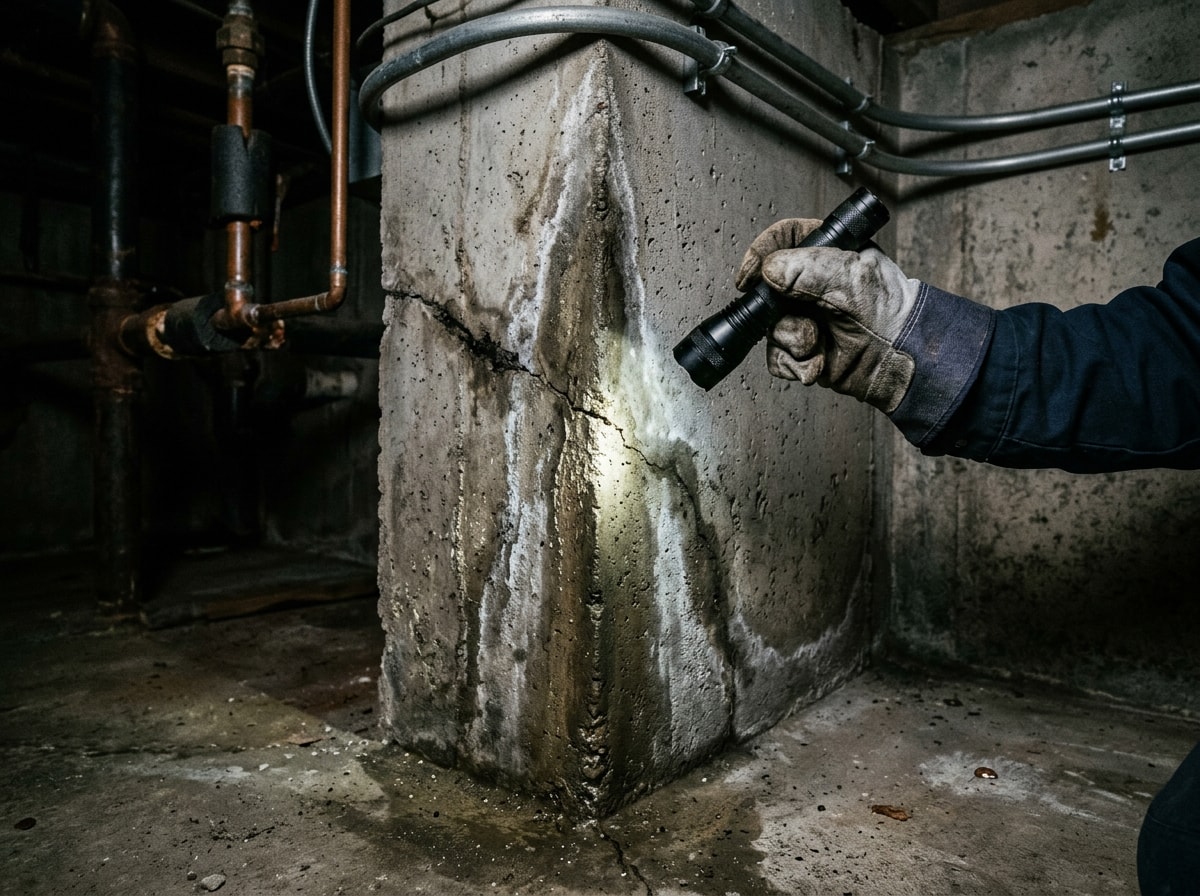
- Water stains or efflorescence (white mineral deposits) on walls
Any single sign may be minor. Several together usually mean active movement or ongoing intrusion worth a professional look. Cracks wider than a quarter inch, horizontal cracks, or cracks that visibly grow over a few weeks are more concerning than thin, stable vertical hairline cracks.
Foundation Repair Options for Below-Grade and Ground-Level Spaces
Fixes depend on cause and severity:
- Minor cracks are typically addressed with epoxy or polyurethane injection.
- Leaning or bowing walls may need wall anchors, carbon fiber straps, or steel bracing to stop further movement.
- Settled foundations sometimes require underpinning to restore support beneath the footing.
Preventative steps cost far less than structural repair and are worth doing even before visible damage appears: grading soil away from the foundation, keeping gutters and downspouts clear, and managing indoor humidity around any below-grade enclosure.
Waterproofing Methods That Hold Up Against a High Water Table
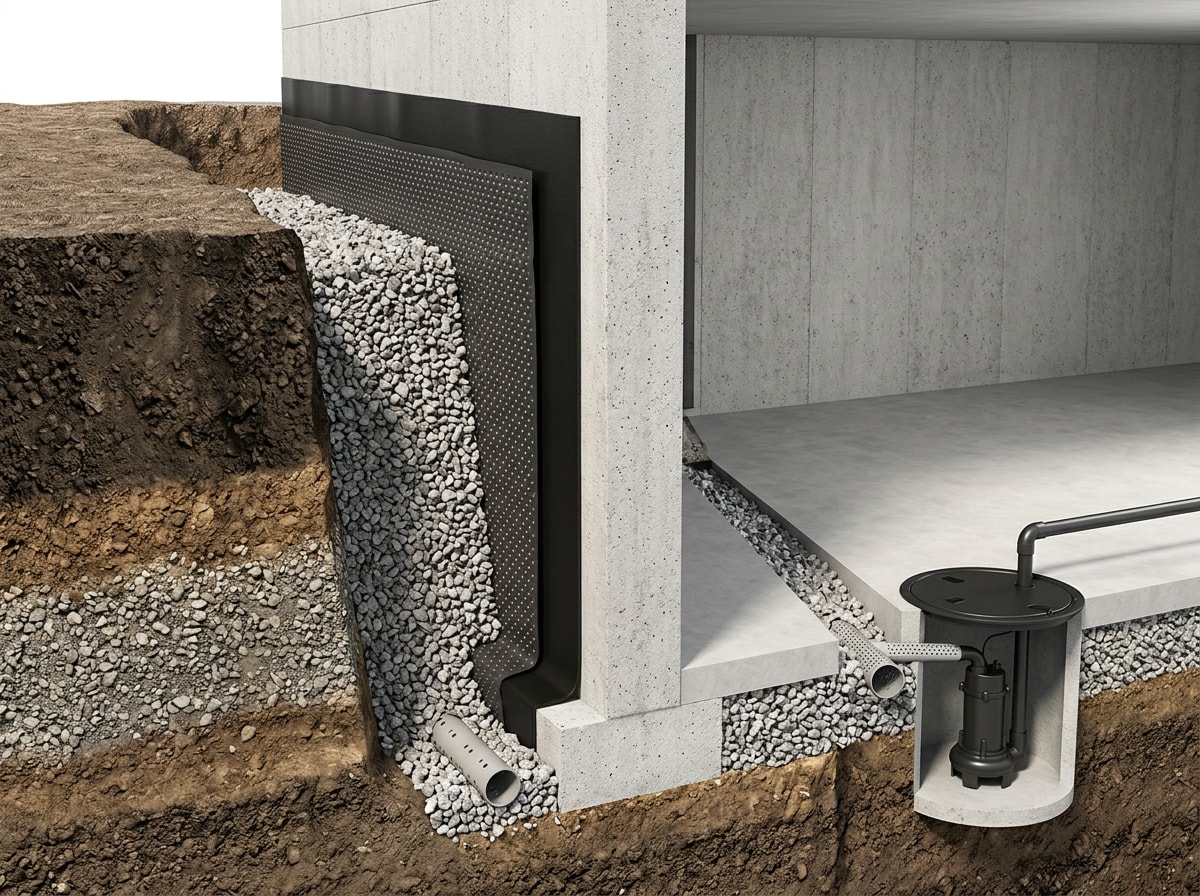
Waterproofing generally falls into two categories. Interior systems manage water once it reaches the inside face of the wall, using drainage channels, sump pumps, and vapor barriers. Exterior systems stop water before it reaches the wall, through excavation, membrane sealants, and exterior drains.
For a high-water-table barrier island property, exterior waterproofing tends to be more durable but costs more and requires excavation. Interior systems cost less, install faster, and pair well with a sump pump for ongoing drainage.
| Method | Where It Works | Typical Cost |
|---|---|---|
| Interior sealant + drainage | Inside foundation wall | $2,000–$6,000 |
| Interior French drain + sump pump | Perimeter drain tile system | $6,000–$12,000 |
| Exterior membrane + excavation | Outside foundation wall | $10,000–$18,000 |
| Crack injection (single crack) | Isolated structural cracks | $500–$1,200 |
Full systems cost more: interior drain-and-sump systems typically run $6,000–$12,000 and exterior excavation runs $10,000–$18,000.
Moisture control matters as much as the waterproofing hardware. Indoor relative humidity should be kept below 60 percent, ideally between 30 and 50 percent, to prevent mold growth in any enclosed below-grade or ground-level space, a standard worth building into your dehumidification plan from day one rather than treating it as an afterthought.
What Basement and Below-Grade Improvements Cost in Key Biscayne
The 2026 national average cost for basement waterproofing is $5,247, with most homeowners paying between $2,461 and $8,207 , depending on method, size, and moisture severity. Interior waterproofing averages around $3,000, while exterior waterproofing averages around $7,000.
Island-specific factors tend to push costs toward the higher end of those ranges:
- Flood-resistant materials. Anything below the required elevation has to use flood damage-resistant products, which cost more than standard drywall and insulation.
- Flood vents and openings. Required for enclosures in AE and VE zones, adding both material and engineering cost.
- Permitting. A floodplain development permit runs alongside the standard building permit for most below-grade or enclosure work, adding review time and fees.
- Access logistics. One-road-in, one-road-out island access can affect material delivery and crew scheduling compared to mainland projects.
If your project involves converting a legacy below-grade room or a ground-level flex space into something more usable within code, like a finished storage room, laundry area, or mudroom, space planning work upfront helps map out what's achievable before materials are ordered. For larger scope changes, a living space renovation project can reconfigure the usable square footage you do have above the required elevation instead of fighting the flood line below it.
Why Work With a Licensed Local Contractor
DIY sealing often masks symptoms without fixing the underlying water intrusion, and it can hide structural damage that worsens unnoticed. On a barrier island where buildings in flood hazard areas carry a 26% chance of flooding over a 30-year mortgage , that's a risky way to save a few hundred dollars upfront.
A licensed contractor can correctly diagnose whether a problem is moisture, structural, or both, confirm what the floodplain ordinance actually allows for your specific property, pull the right permits, and install materials backed by a manufacturer warranty. That combination protects the investment far better than a patch job.
See our projects for examples of how below-grade and ground-level spaces get reworked within flood code, and visit our Key Biscayne service area page for island-specific project notes. If you're weighing options on an older Key Biscayne home, our guide to historic home remodeling in Key Biscayne covers permit timelines and ROI considerations that overlap heavily with below-grade work. When you're ready for a site-specific assessment, request a free estimate and we'll walk your property's flood zone status and code requirements with you before any work starts.
FAQ
Can you build a basement in Key Biscayne?
A true finished basement below grade generally isn't permitted. Florida Building Code requires basement floors below grade on all sides to sit at or above base flood elevation plus one foot, which most below-grade spaces on the island can't meet. Enclosed areas below that elevation are limited to parking, storage, or building access.
Is basement waterproofing worth it in a flood zone?
Yes, even for storage or parking-use enclosures. Waterproofing protects the structure itself, foundation walls, footings, and framing, from hydrostatic pressure and chronic moisture, separate from flood insurance, which covers flood events but not routine seepage or foundation deterioration.
How much does basement waterproofing cost in 2026?
Most homeowners pay between $2,461 and $8,207, with a national average near $5,247. Interior systems average around $3,000 and exterior systems around $7,000, though island-specific permitting and flood-resistant material requirements can push costs higher.
Do I need a permit for basement or below-grade waterproofing in Key Biscayne?
Often, yes. Any project involving fill, foundation work, or enclosure modification below the base flood elevation typically requires a floodplain development permit in addition to a standard building permit. Confirm with the Village Building, Zoning and Planning Department before starting work.
What's the best way to stop water in a below-grade enclosure?
Combine source control with drainage: grade soil away from the foundation, clear gutters, add an interior French drain and sump pump for standing water, and keep indoor humidity between 30 and 50 percent to prevent mold growth in stored materials.