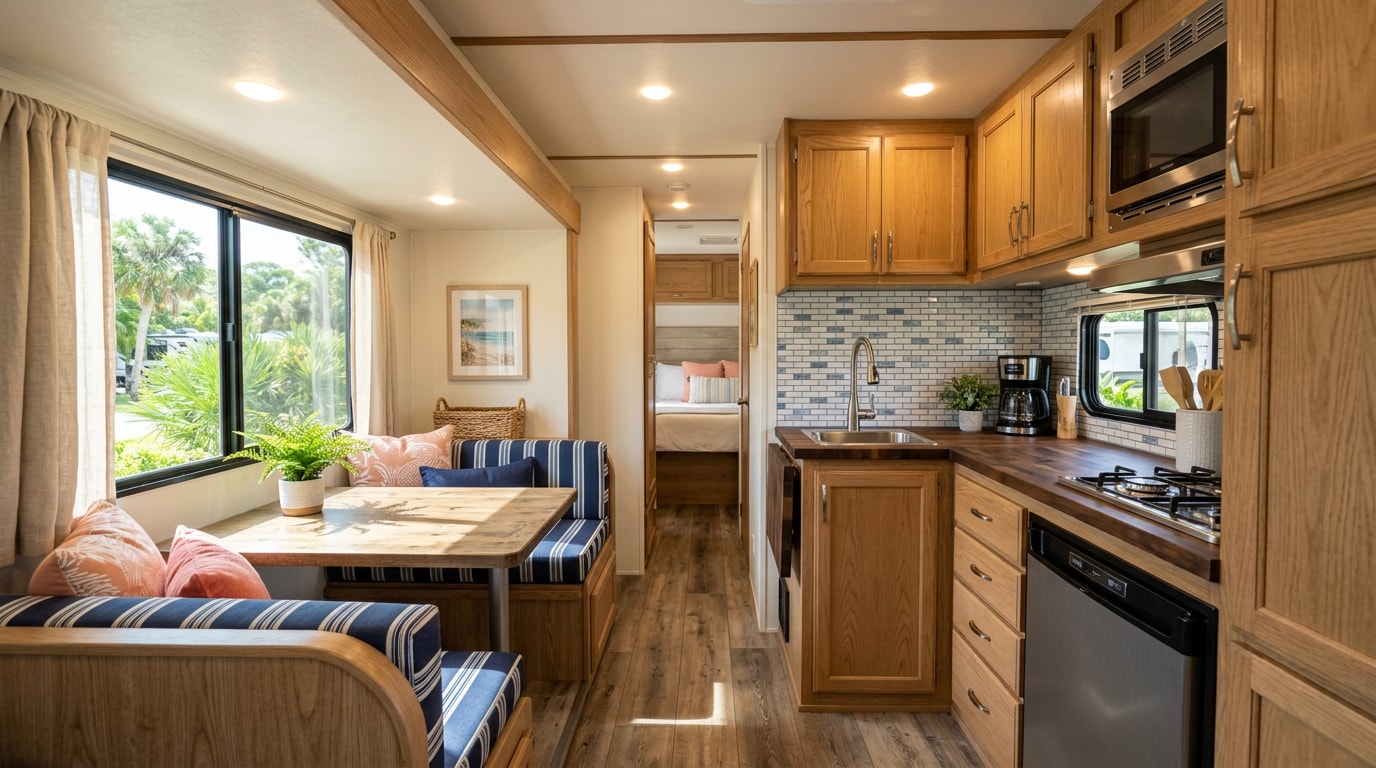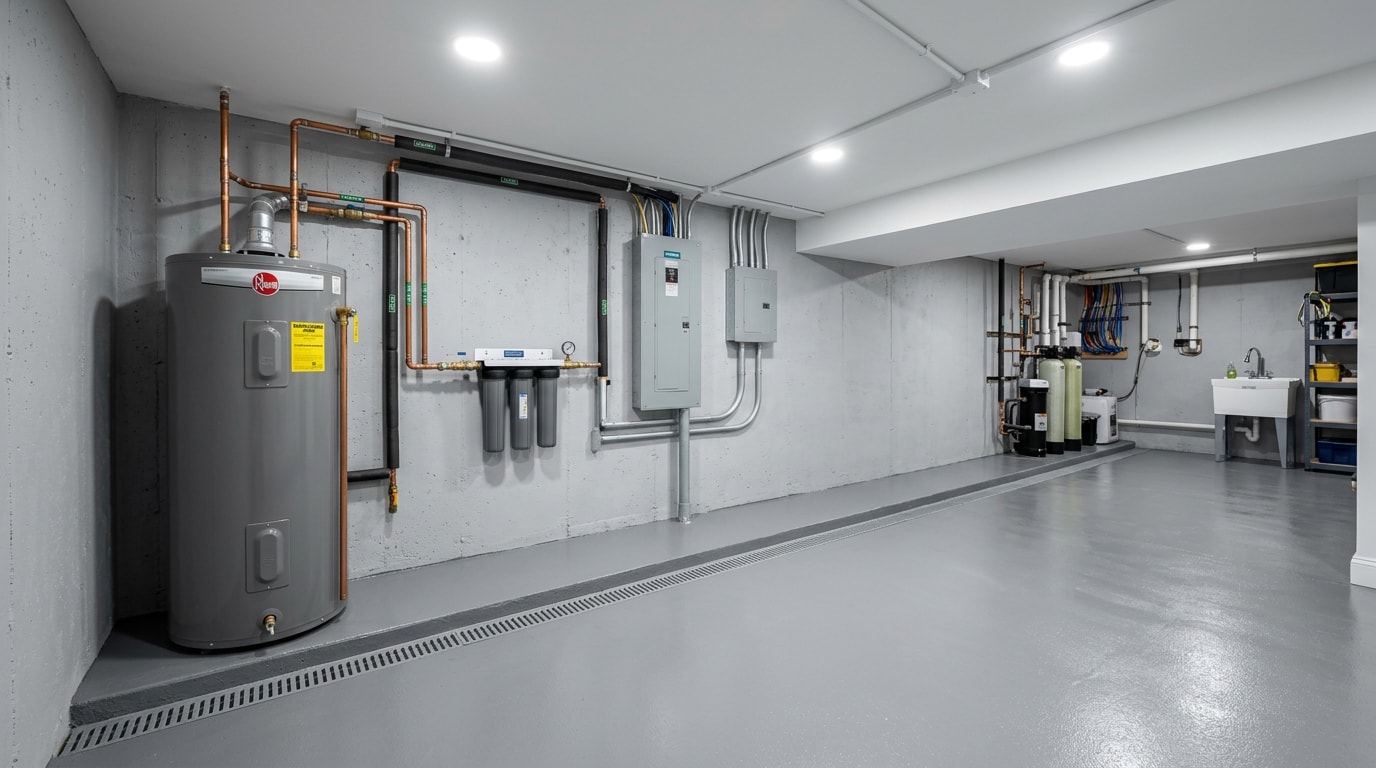
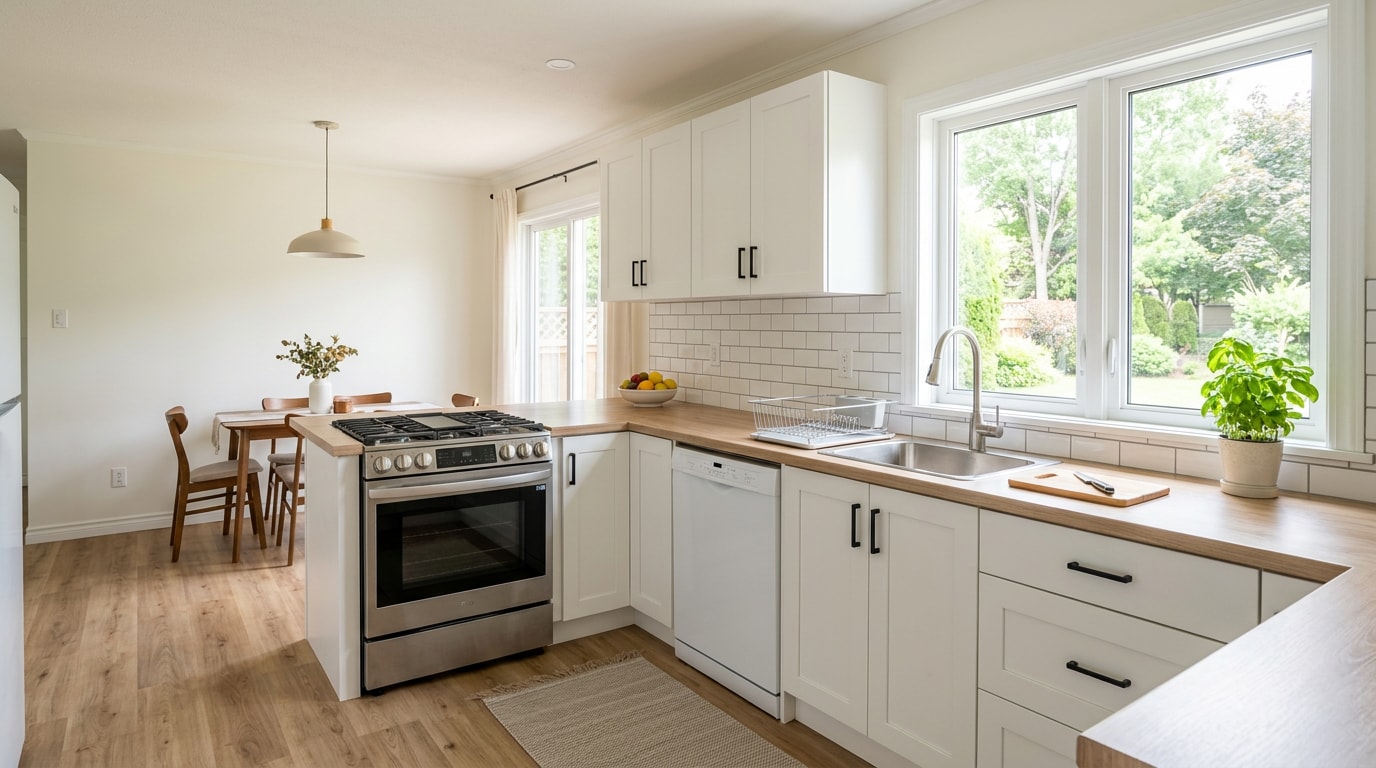
Mobile home remodeling ideas on a budget in Weston start with a simple fact: manufactured homes are some of the most renovation-friendly structures around, as long as you work with their factory-built bones instead of against them. A few smart choices, made in the right order, can turn a dated single wide or double wide into a home that feels brand new without draining a savings account. This guide walks through the room-by-room upgrades worth doing first, how South Florida's climate changes the math, and where every dollar should go before the next one gets spent.
Mobile Home Remodeling Ideas on a Budget in Weston
These ideas are ranked by payoff relative to cost, with the technical notes that actually matter for manufactured homes. We've used this exact sequence on projects across Weston and greater Miami, and the order holds up regardless of how big or small the budget is.
Inject Your Personal Style
Paint is still the cheapest way to personalize a mobile home, but factory wall panels usually need a bonding primer before color goes on. Regular wall paint applied straight to a vinyl-covered panel tends to peel within a season. Once primed, light trim and mouldings around doors and windows add a finished look for relatively little money.
Small swaps like cabinet hardware, curtain panels, and framed art round out a personal touch without any structural work. These changes are reversible too, which matters if you're renting the lot or planning to sell later.
Update Your Kitchen on a Budget
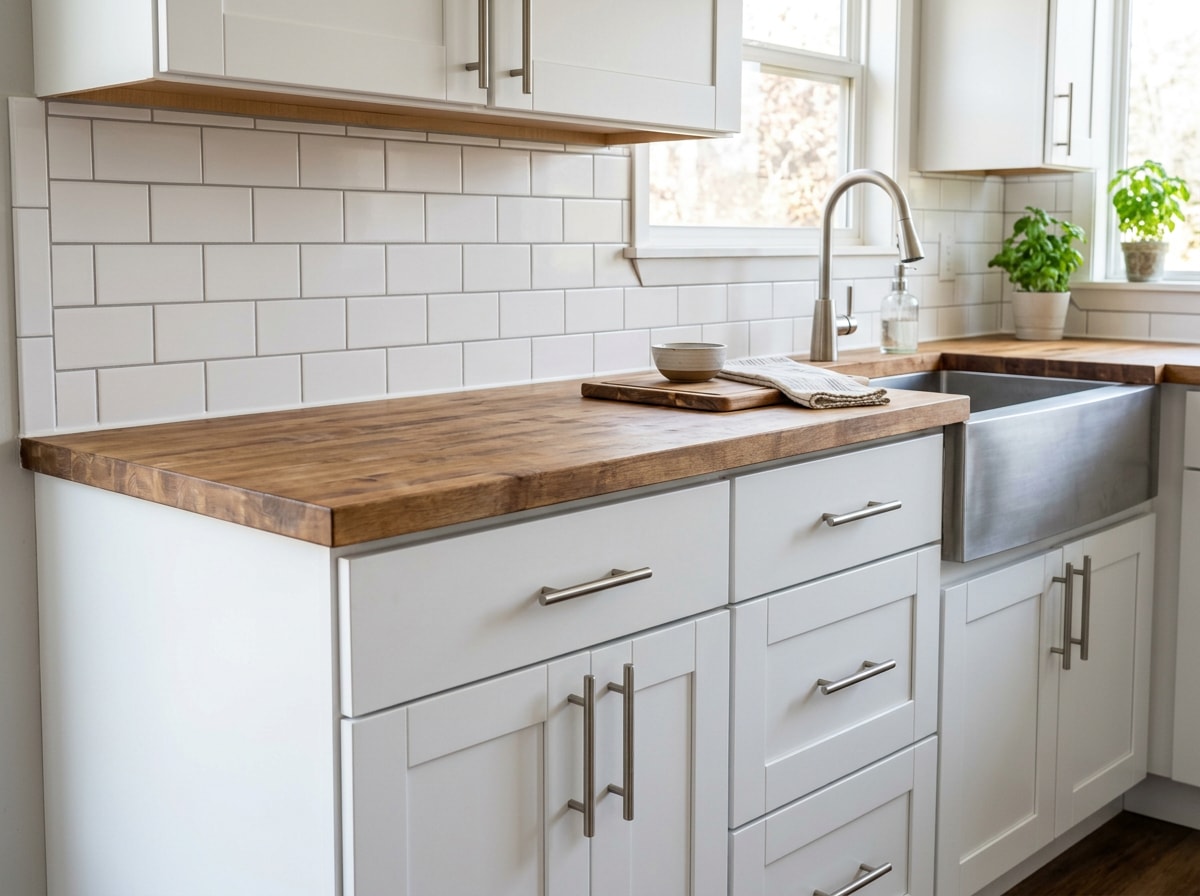
A budget kitchen remodel doesn't require ripping out cabinetry. Start with the surfaces that get the most visual attention and the least structural disruption:
- Replace countertops with laminate or butcher block instead of stone. Same clean look, a fraction of the cost.
- Reface cabinets (new doors and hardware on existing boxes) instead of full replacement to save significant labor cost.
- Add a backsplash with peel-and-stick tile for an instant upgrade in an afternoon.
Together, these three moves often transform a kitchen's feel more than any single big-ticket item would. If you want to see what a fuller renovation looks like once the budget allows, our kitchen remodeling services) page breaks down the next tier up, from custom cabinet installation to countertop installation.
Revitalize Your Bathroom
A mobile home bathroom remodel on a budget usually centers on three things: the vanity, the fixtures, and the lighting. Swapping a dated vanity for a compact, prefabricated unit is one of the fastest facelifts available, and a new faucet or modern showerhead changes the whole feel of the room for under a hundred dollars.
Brighter, updated light fixtures help too. Mobile home bathrooms are often smaller and darker than site-built equivalents, so a well-placed fixture does a lot of visual work. Keep the plumbing locations unchanged to avoid driving a simple refresh into bigger territory, and if you're ready to go further, our bathroom remodeling) team can walk through vanity installation and shower installation options sized for manufactured-home layouts.
Check the Floor Before You Cover It
Before installing anything new, check the subfloor for soft spots, discoloration, or give underfoot. These are signs of moisture damage that will ruin new flooring if left untreated. HUD's own research on manufactured housing notes that leaky plumbing accounts for a high number of reported flooring problems , which is exactly why a moisture check belongs before any flooring purchase, not after.
Once the subfloor is confirmed sound (or repaired), vinyl plank flooring is a strong budget choice because it's water-resistant, floats over minor imperfections, and installs without special tools. Laminate is another option, though it tolerates moisture less well, which matters in Weston's humid climate specifically. Our flooring installation) page has more on matching material to room and moisture exposure.
Enhance Curb Appeal
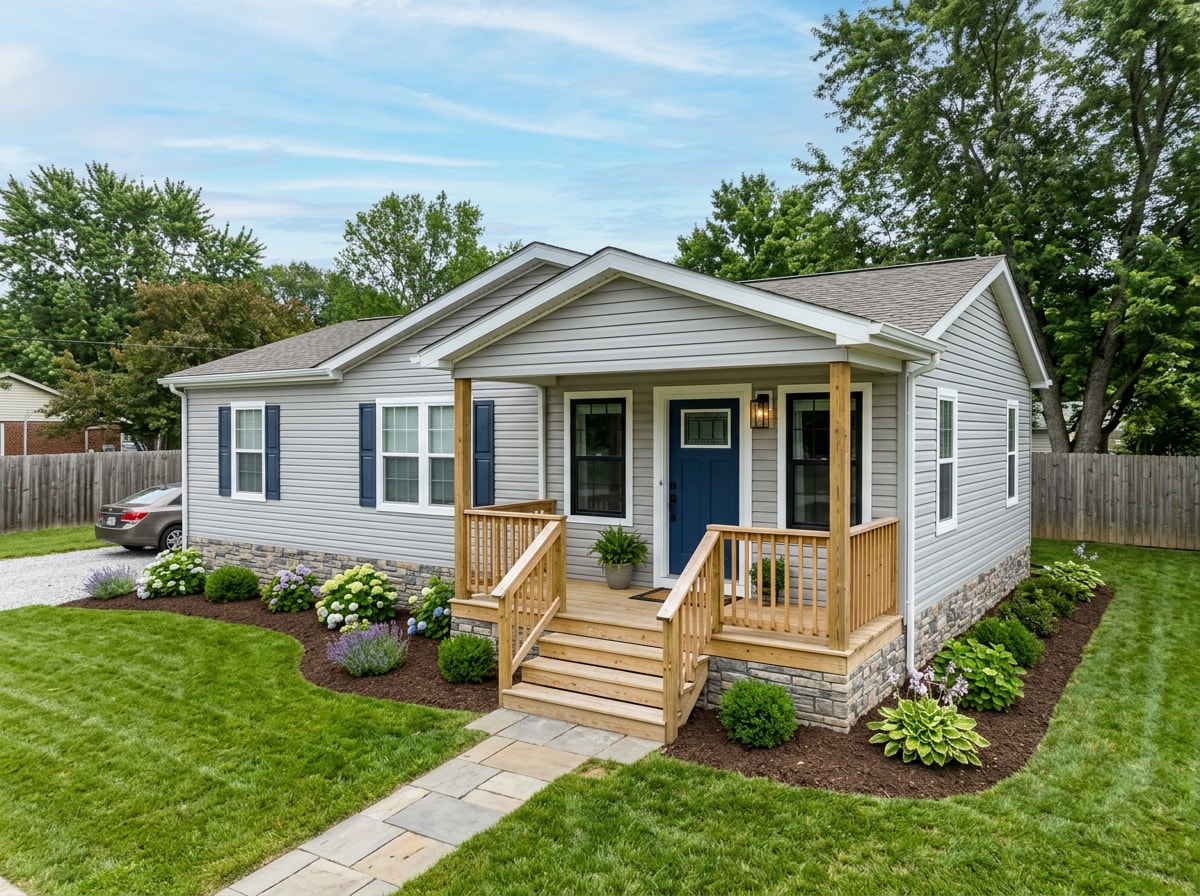
Mobile home skirting is one of the most affordable exterior facelifts available. Swapping worn vinyl skirting for a fresh color or faux-stone panel style changes the home's whole street presence. Pair that with a refreshed exterior door and updated porch light fixtures, and curb appeal jumps noticeably for a modest outlay.
Interior doors deserve the same treatment. New hardware or a coat of paint on existing doors is far cheaper than full replacement and still reads as a meaningful update.
Open Up Your Living Space
Furniture layout changes more than most people expect in a small mobile home living room. Pulling furniture away from walls, choosing lighter paint colors, and adding strategically placed mirrors all create a sense of open floor plan living without touching a single wall.
Reducing visual clutter, meaning fewer large pieces and more vertical storage, also makes a compact space read as larger. None of this requires structural changes, which keeps it firmly in the budget-friendly category. For a bigger reset, our space planning service looks at layout changes that work within a manufactured home's load-bearing walls.
Improve Energy Efficiency
Weatherstripping around doors and windows is a low-cost first step, since factory seals loosen over time. Adding or repairing skirting insulation helps regulate temperature underneath the floor, which matters in Weston's long cooling season.
If a future appliance or window purchase is on the table, it's worth comparing certified options. ENERGY STAR-certified manufactured homes are built to be at least 10% more efficient than a model built to minimum code , and certified units typically come with high-performance windows and a programmable thermostat as standard features worth matching when you replace parts piecemeal.
Spend in This Order When Money Is Tight
When funds are limited, spend first on safety and structural issues, then on systems like plumbing and electrical, and only after that on cosmetic updates like paint, fixtures, and flooring. Skipping this order often means redoing cosmetic work later once a hidden problem surfaces.
Here's the priority framework we use on manufactured-home projects, with rough planning ranges based on typical South Florida labor and material costs. These are not quotes, just a starting point for budgeting conversations.
| Tier | Focus | Typical Ballpark Cost |
|---|---|---|
| 1 | Safety & structural repairs (roof leaks, soft subfloor, skirting gaps) | $300–$3,000+ |
| 2 | Core systems (plumbing fixes, electrical panel issues, HVAC tune-ups) | $200–$2,500 |
| 3 | Functional cosmetic upgrades (paint, cabinet refacing, backsplash) | $150–$1,200 |
| 4 | Décor and finishing touches (lighting, hardware, mouldings) | $50–$500 |
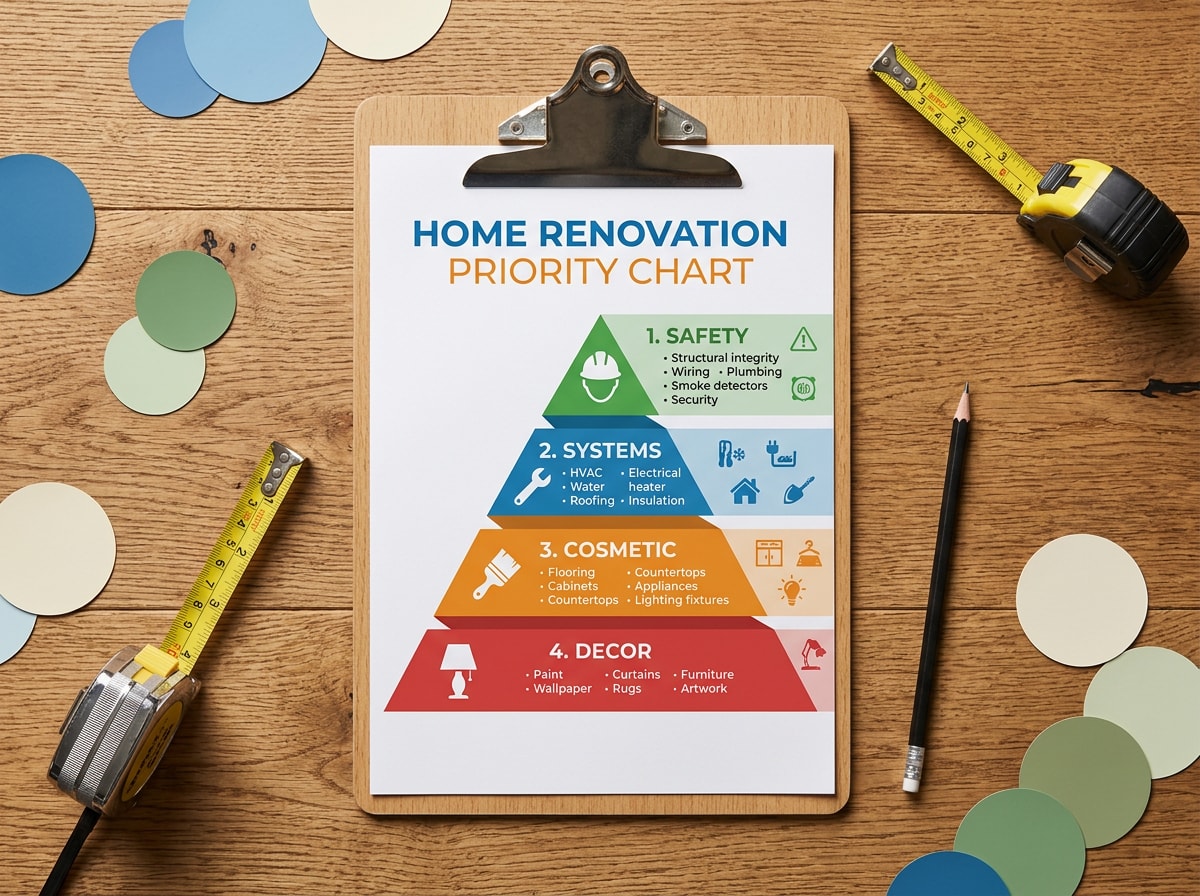
Actual costs vary by home size, materials chosen, and local labor rates, but the order rarely changes. Protect the home first, then spend on anything purely visual. If you want a second opinion on where your home falls in this sequence, a home remodeling consultation is a low-cost way to get a professional walkthrough before buying materials.
What Makes Remodeling a Manufactured Home Different in Weston
Manufactured home remodeling isn't identical to renovating a site-built house. A manufactured home is built in a factory on a steel chassis, so walls are often thin panels attached to a frame rather than drywall nailed to studs, floors sit over a sealed belly board, and plumbing runs through narrow chases built into the floor system. HUD's construction standards specifically regulate Body and Frame Requirements, Thermal Protection, Plumbing, Electrical, Fire Safety, and other aspects of the home , which is why a repair or upgrade that's routine in a site-built house can require different materials or methods here.
These structural basics matter more in South Florida than in most regions. Weston sits in a high-wind, high-humidity zone, which means skirting, belly-board integrity, and roof seals all carry more weight in a remodel plan than they would farther north. A single wide also has less width to play with for layout changes than a double wide, and moving a wall or a pipe run costs far more than it would in a conventional home. Every idea in this guide is filtered through that reality: work with the structure you have.
Permits and HUD Code Requirements Before You Start
Permits are typically required for work that touches electrical, plumbing, or structural elements, while purely cosmetic updates like paint or flooring usually don't need one. Because manufactured homes fall under federal HUD code in addition to local building rules, approval requirements can differ from what a site-built home needs. Homes built after mid-1976 carry a certification label confirming the section was built in accordance with HUD's Manufactured Home Construction and Safety Standards , and that label matters when a permitting office reviews your project.
Before buying materials, call the local building department to confirm what applies to your specific home and project. Rules vary by jurisdiction, and what's allowed can depend on the age and classification of the home. For homeowners in our service area, our Weston, FL page has more on local project considerations, and the HUD Manufactured Housing Homeowner Resources page is a reliable starting point for understanding which standards apply.
Keep Plumbing in Place to Control Kitchen and Bath Costs
The single biggest cost driver in a kitchen or bathroom remodel is moving plumbing. Relocating a sink, toilet, or tub even a few feet means rerouting supply and drain lines through a mobile home's narrow floor chases, which adds labor and complexity fast. HUD's own research on moisture issues in manufactured homes found that gaps and tears around plumbing penetrations are a common entry point for water into the floor cavity, which is one more reason to avoid unnecessary relocation. The agency's guidance specifically calls for gaskets for plumbing penetrations and sealing every floor penetration during any plumbing work.
Keeping fixtures in their existing plumbing layout and focusing the budget on surfaces, meaning countertops, cabinet fronts, backsplash, and vanity, keeps costs predictable in both rooms. This single decision probably saves more money than any other in this guide. If you'd like to see finished examples of this approach, our projects page has before-and-after work from homes across the region, and homeowners further along in planning a larger renovation may also find our basement remodeling estimates guide for Weston useful for understanding how our estimating process works before requesting a quote.
Ready to see what's possible on your home's actual layout and budget? Get a free estimate and we'll walk through priorities in person before you spend a dollar on materials.
FAQ
What are the most cost-effective mobile home renovation projects?
Paint and primer work on wall panels, cabinet refacing instead of replacement, and new light fixtures or hardware tend to deliver the most visible change for the least money. These projects avoid touching plumbing or structure, which keeps costs predictable.
How much does it usually cost to remodel a mobile home in Weston?
A light cosmetic refresh, including paint, fixtures, and a backsplash, often runs a few hundred to a couple thousand dollars. A fuller kitchen or bathroom overhaul with new countertops, cabinets, and flooring typically lands in the low-to-mid thousands, depending on materials and whether plumbing locations change.
Do I need a permit to remodel a mobile home in Weston, FL?
Usually yes, if the work touches electrical, plumbing, or structural elements. Purely cosmetic work like paint or flooring generally doesn't require one, but manufactured homes fall under HUD code in addition to local rules, so it's worth a quick call to the building department before buying materials.
Which renovations add the most value to a mobile home?
Kitchen and bathroom updates tend to matter most for daily livability and resale appeal, followed closely by curb appeal improvements like skirting and exterior doors. Buyers and appraisers notice these areas first, which makes them worth prioritizing when budget allows.
Can I do mobile home remodeling myself to save money?
Many of the ideas in this guide, like painting, cabinet hardware swaps, and peel-and-stick backsplash, are realistic DIY projects. Anything touching plumbing, electrical, or structure is worth leaving to a licensed contractor, both for safety and because it's usually what permits require.
What is the best way to make a small mobile home feel bigger?
Light paint colors, decluttered furniture arrangements, and strategically placed mirrors are the fastest ways to open up a small floor plan without removing walls. Visit our homepage to see more full-home remodeling services if you're ready to plan beyond a single room.