Aging in place remodeling in Miami, FL turns a longtime family home into one you can keep living in safely for decades, without a move to assisted living. Nearly 490,000 Miami-Dade residents are already 65 or older, and most want to stay exactly where they are. This guide breaks down the real 2026 costs, codes, and project priorities, starting with the renovations that matter most.
Visit Kitchen and Decor Center Corp to see our services and request a free estimate.
What Is Aging in Place Remodeling?
Aging in place means remaining in your own home as you grow older, supported by modifications that improve safety and daily function rather than relocating to a facility. The core benefits are straightforward: preserved independence, often lower long-term costs than assisted living, and the comfort of staying in a familiar neighborhood.
Safety and accessibility drive almost every aging in place vs. assisted living decision. A home only supports independent living if it removes fall risks and physical barriers, and staying put tends to support better emotional well-being since familiar surroundings ease the stress that comes with a major move.
Common Aging-in-Place Remodeling Projects & Costs in Miami
Bathrooms and entryways top the priority list for most Miami homeowners, since both are frequent fall zones and relatively contained projects. From there, scope and price vary widely by project type.
| Project | Typical Miami Cost Range |
|---|---|
| Grab bars (per bathroom) | $150 – $400 |
| Non-slip flooring | $1,000 – $4,000 |
| Walk-in / curbless shower | $6,000 – $15,000 |
| Zero-step entry | $3,000 – $10,000 |
| Full ADU or addition | $80,000 – $180,000+ |
These ranges shift based on permit requirements, material choice, and how much structural work is involved. Treat them as planning estimates, not fixed quotes. If you want numbers specific to your home, get a free estimate before you budget around a guess.
Bathroom Modifications for Aging in Place
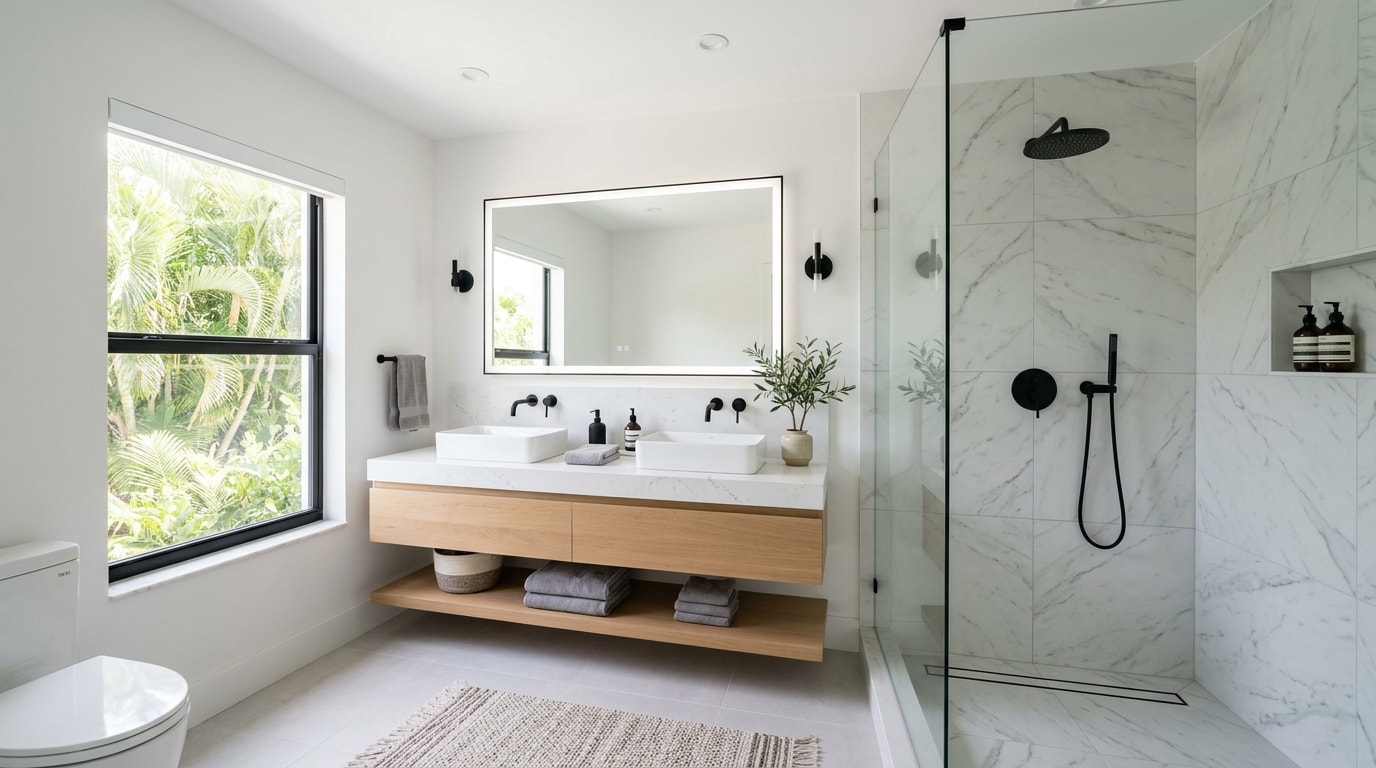
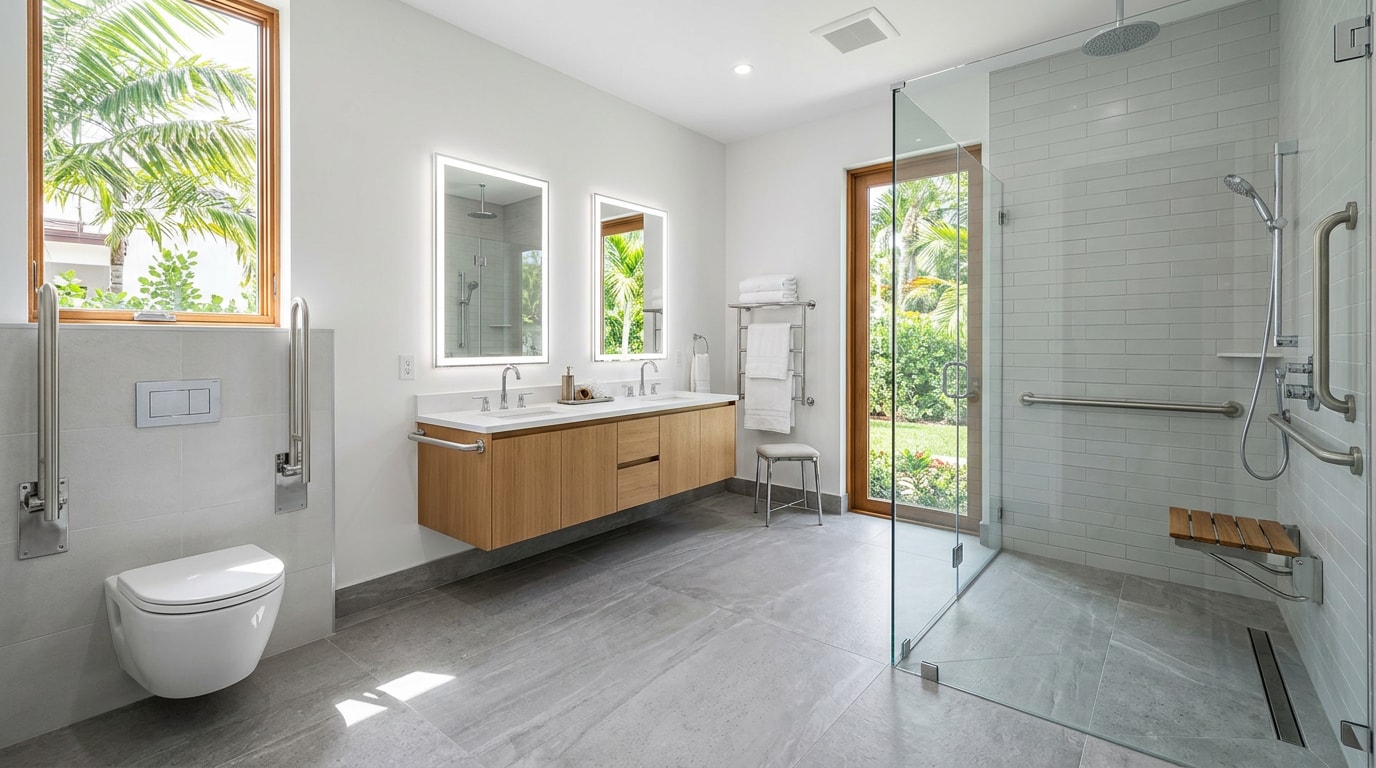
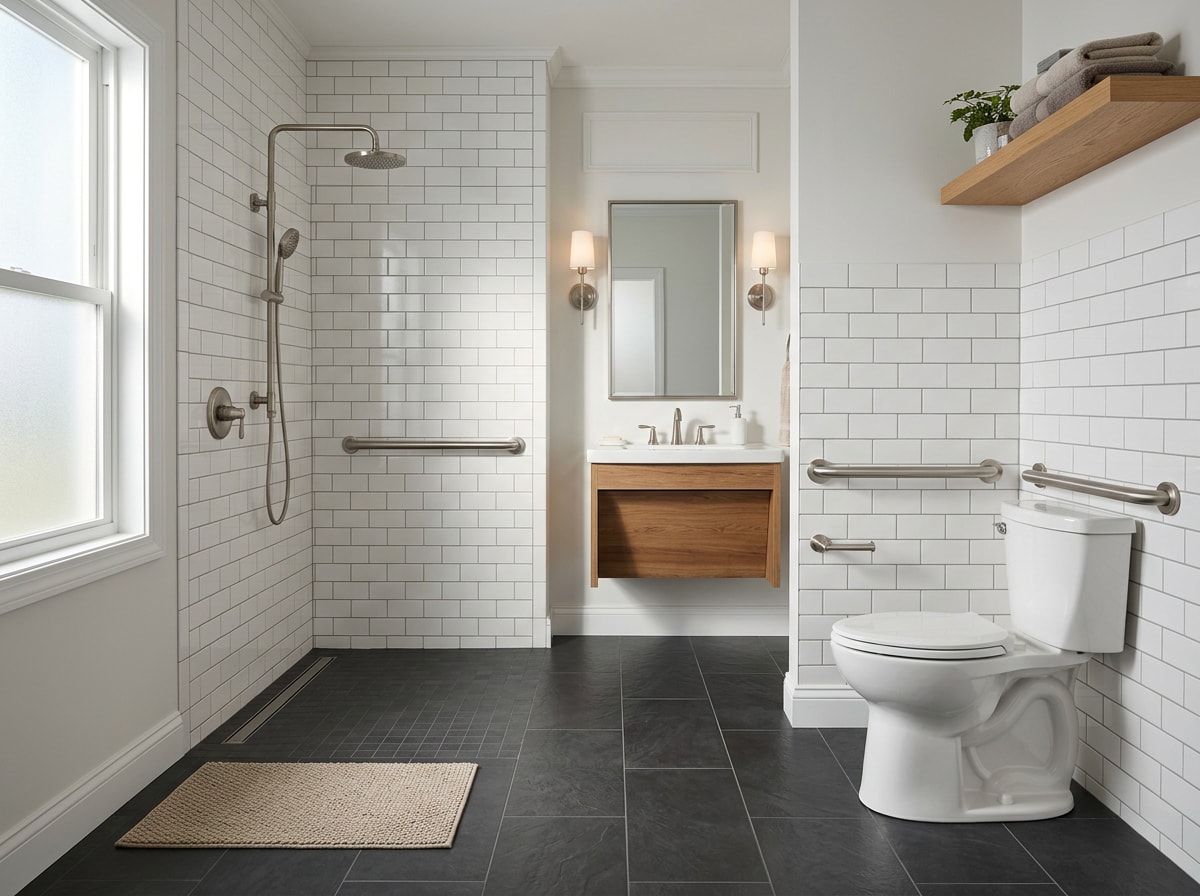
Bathroom modifications are usually the highest-priority project, since bathrooms account for a large share of in-home falls. A typical remodel includes:
- A curbless walk-in shower
- Grab bars near the toilet and shower
- A comfort-height toilet
- Non-slip flooring throughout
Grab bar placement matters more than most homeowners realize. CDC falls-prevention guidance recommends simple home fixes, including adding grab bars and removing throw rugs, as part of a basic safety checklist. On a recent Kendall remodel, our crew swapped a swinging bathroom door for a pocket door and recovered nearly four square feet of turning space for a wheelchair, without touching a load-bearing wall.
Reconfiguring drains and water lines for a curbless shower is a plumbing job, not just a tile job, and it's worth understanding the permit side before you start; our Plumbing Remodeling Bathroom Doral, FL guide walks through what that typically involves in Miami-Dade. For the fixtures themselves, our Shower Installation, Vanity Installation, and Bathroom Tile Installation teams handle the full scope.
Kitchen Modifications for Aging in Place
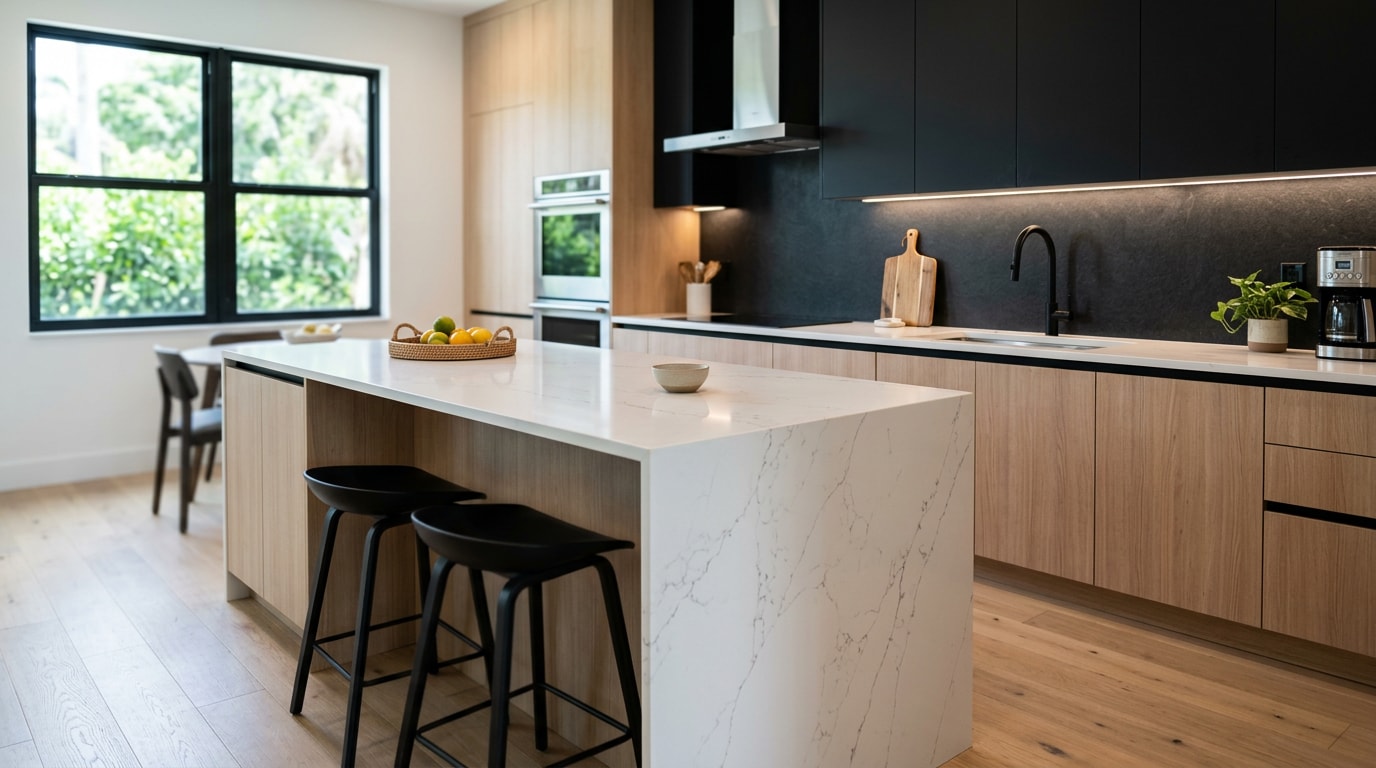
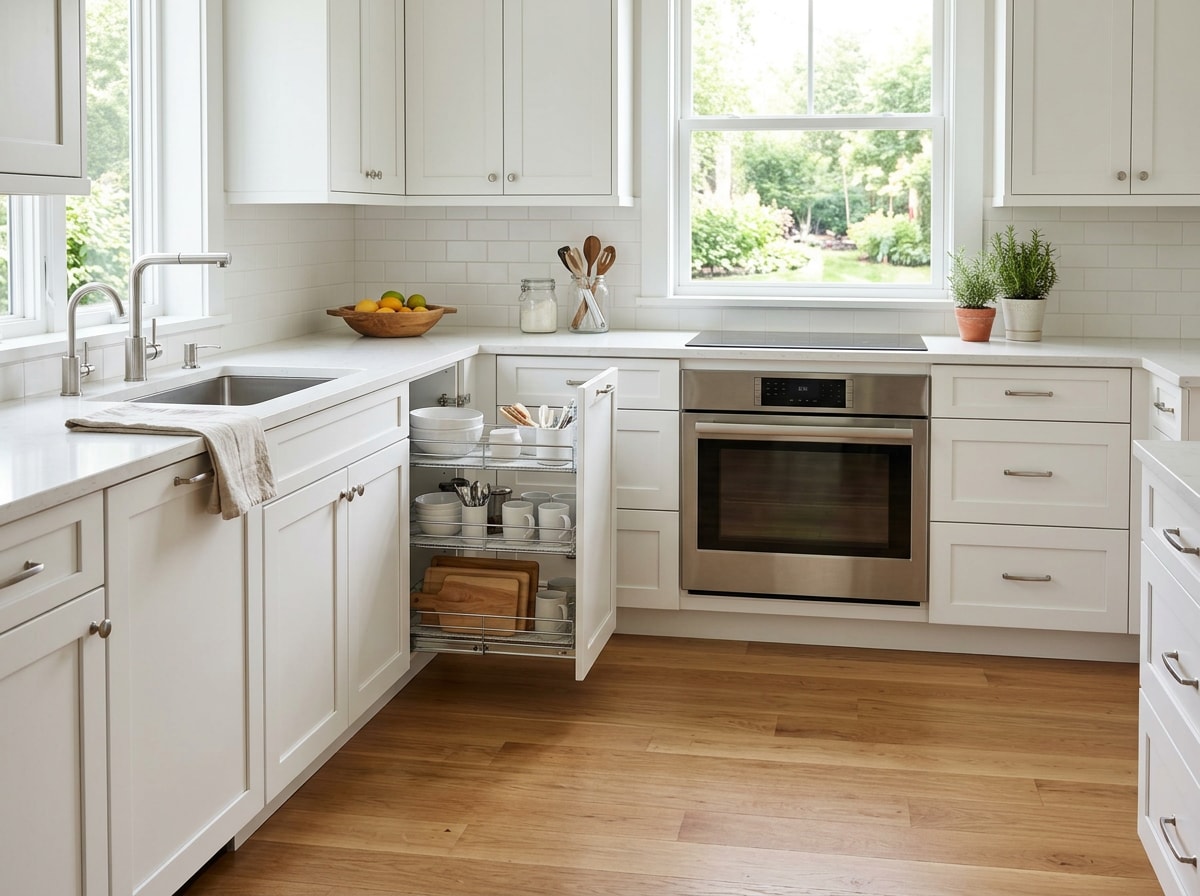
An accessible kitchen remodel usually starts with lowered counters and cabinets, pull-out shelving, and lever-style faucets that don't require gripping or twisting. Appliance placement matters too: ovens and microwaves at counter height, with clear floor space in front, keep the kitchen workable for anyone using a walker or wheelchair.
These changes don't have to look clinical. Most accessible kitchen projects blend these features into a design that still looks like a normal, updated kitchen. Our Custom Cabinet Installation and Kitchen Countertop Installation teams handle lowered, reachable layouts regularly across older Miami-Dade homes.
Bedroom and Closet Modifications
First-floor bedroom conversions are common in two-story homes, since climbing stairs daily gets harder with age. Typical improvements include:
- Adjustable-height beds
- Brighter, even lighting
- Wider, clear pathways between the bed, closet, and door
- Lower closet rods and pull-down shelving
Even small changes, like removing throw rugs, adding a nightlight, and widening a doorway, meaningfully reduce nighttime fall risk. A Closet Remodeling project is often the easiest way to reclaim floor space for a walker or wheelchair without touching the room's footprint.
Entrance, Exterior, and Lanai Modifications
A zero-step entry is one of the most valuable upgrades for long-term accessibility. In many single-story homes it can eliminate the need for a wheelchair ramp entirely. Where a step can't be removed, a properly sloped ramp, wider doorway, and sturdy handrail close the gap.
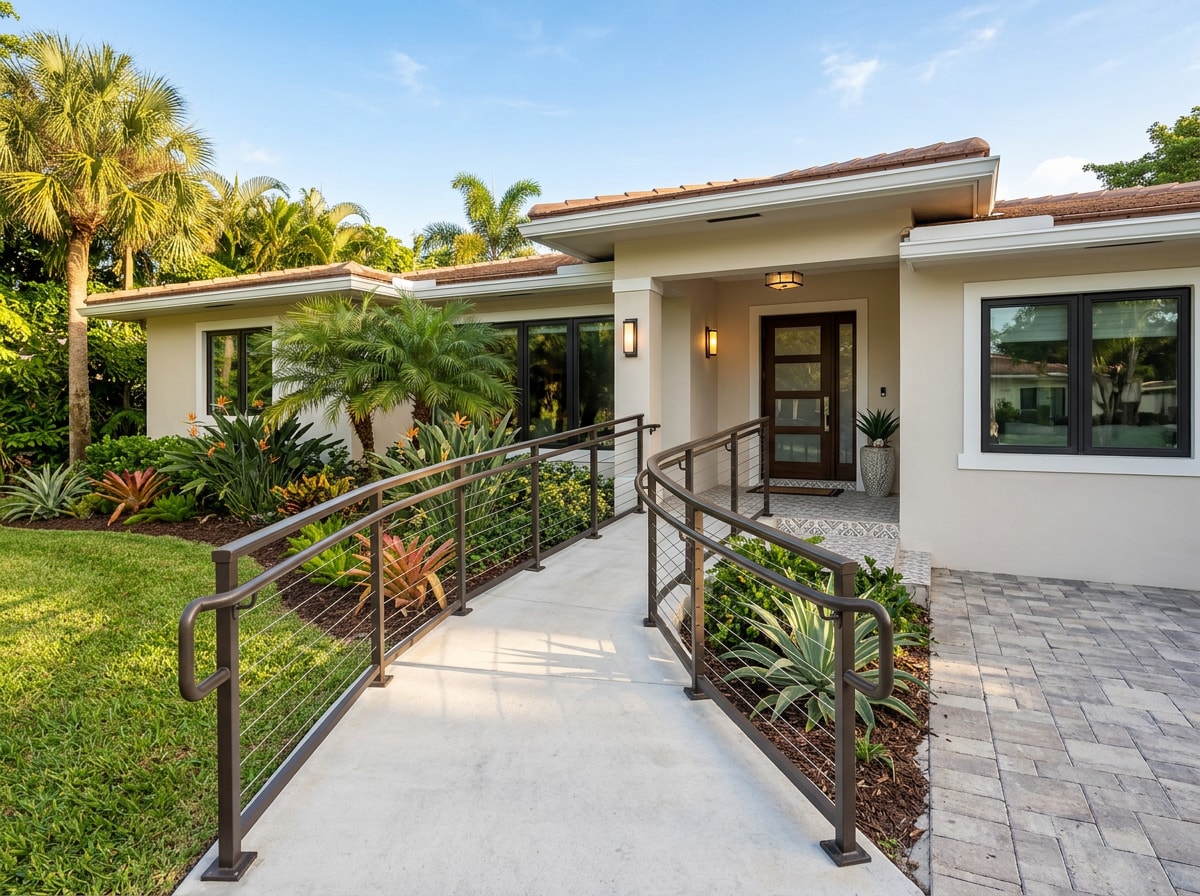
Exterior lighting along walkways matters too, since many falls near entrances happen after dark. Miami's indoor-outdoor lifestyle also means lanais and patios see daily use, so they deserve the same attention: slip-resistant decking, consistent railing heights, and level transitions between indoor and outdoor flooring all reduce fall risk. Our Lighting Design and Installation team can map out entry and pathway lighting as part of a broader plan.
Hallways, Living Rooms, and Layout
Hallway width often gets overlooked until a walker or wheelchair won't fit through comfortably. Widening hallways, rearranging furniture for clear paths, and adding brighter, even lighting all support easier movement through an open floor plan. In the living room, accessibility usually comes down to furniture height, clear sightlines, and flooring transitions that don't create a tripping edge between rooms. A Space Planning consultation and updated Flooring Installation often solve both problems at once.
Home Additions for Aging-in-Place
For families planning a bigger investment, a home addition, like an in-law suite or accessory dwelling unit, offers a long-term solution. It keeps family members close while preserving privacy and independence for everyone involved.
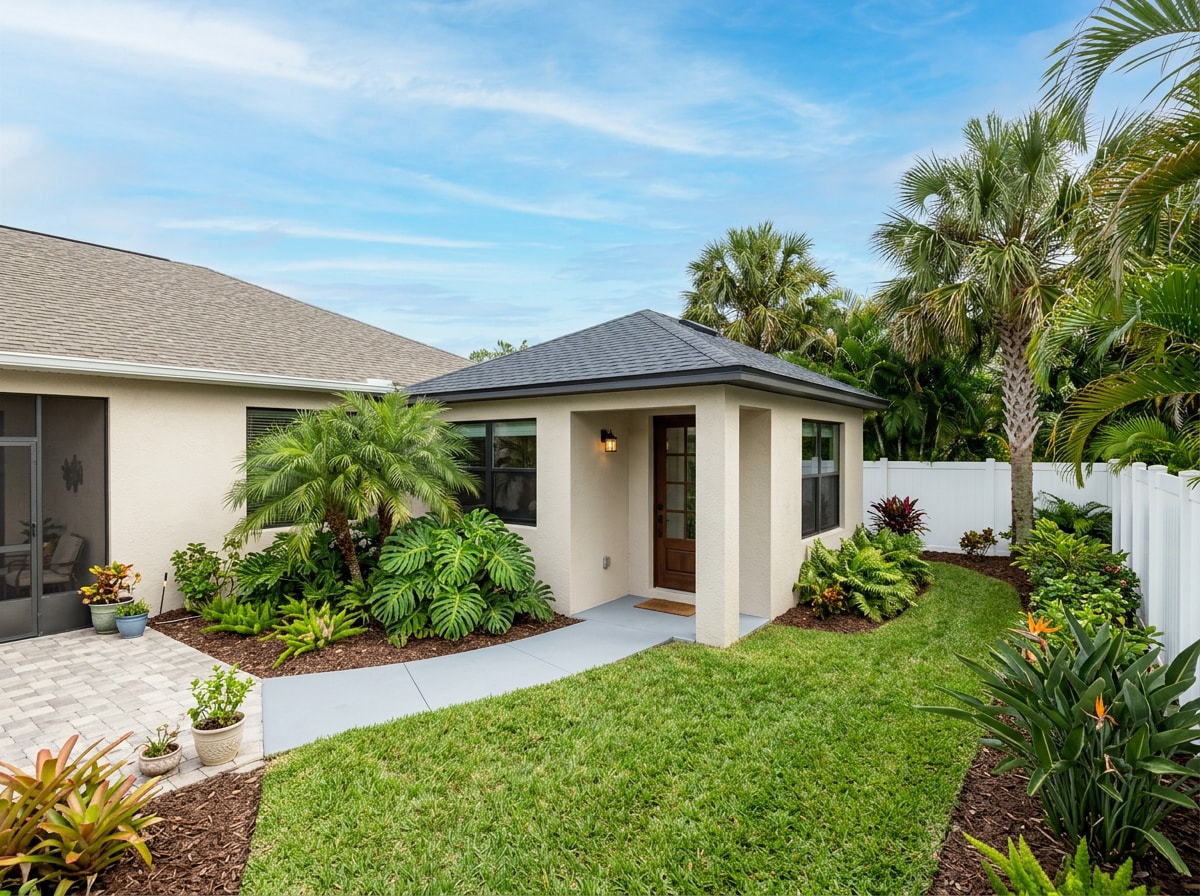
This is the highest-cost option on this list, but also the most flexible, since the space can later serve other purposes. Our Full Interior Remodeling and Living Space Renovation teams scope these as full projects, not add-ons. You can see finished examples in our project gallery.
Miami-Dade's Housing Stock: Why It Matters for Your Project
Much of Miami-Dade's housing was built between the 1950s and 1980s, and a large share is concrete block construction, prized for hurricane resistance. Many of these are single-story homes on slab foundations, which actually helps accessibility projects since there are no interior stairs to design around.
Condos and multi-story buildings are common too, especially along the coast, and come with different constraints: shared hallways, elevator access, and association rules on what can be modified. Whether a home is a single-story ranch or a high-rise unit, the existing structure shapes which modifications are realistic and how much they'll cost.
One correction worth making here: Miami-Dade's share of residents 65 and older sits around 17%, close to the national rate, not dramatically higher as some guides claim. What makes the county stand out is the raw number, nearly 490,000 people, which is why demand for accessible remodeling keeps climbing even without an unusual demographic skew.
How to Prepare Your Home for Aging in Place
Preparing a home works best as a sequence, not a single project.
- Get a home safety assessment to identify fall risks and physical barriers.
- Prioritize the highest-risk areas first, usually bathrooms and entryways.
- Sort remaining work into three categories: structural changes (widened doorways, zero-step entries), safety-device additions (grab bars, lighting, handrails), and layout changes (furniture arrangement, room conversions).
- Phase projects by budget instead of tackling everything at once.
- Hire a licensed contractor familiar with Miami-Dade's permitting process to keep the project on schedule and code-compliant.
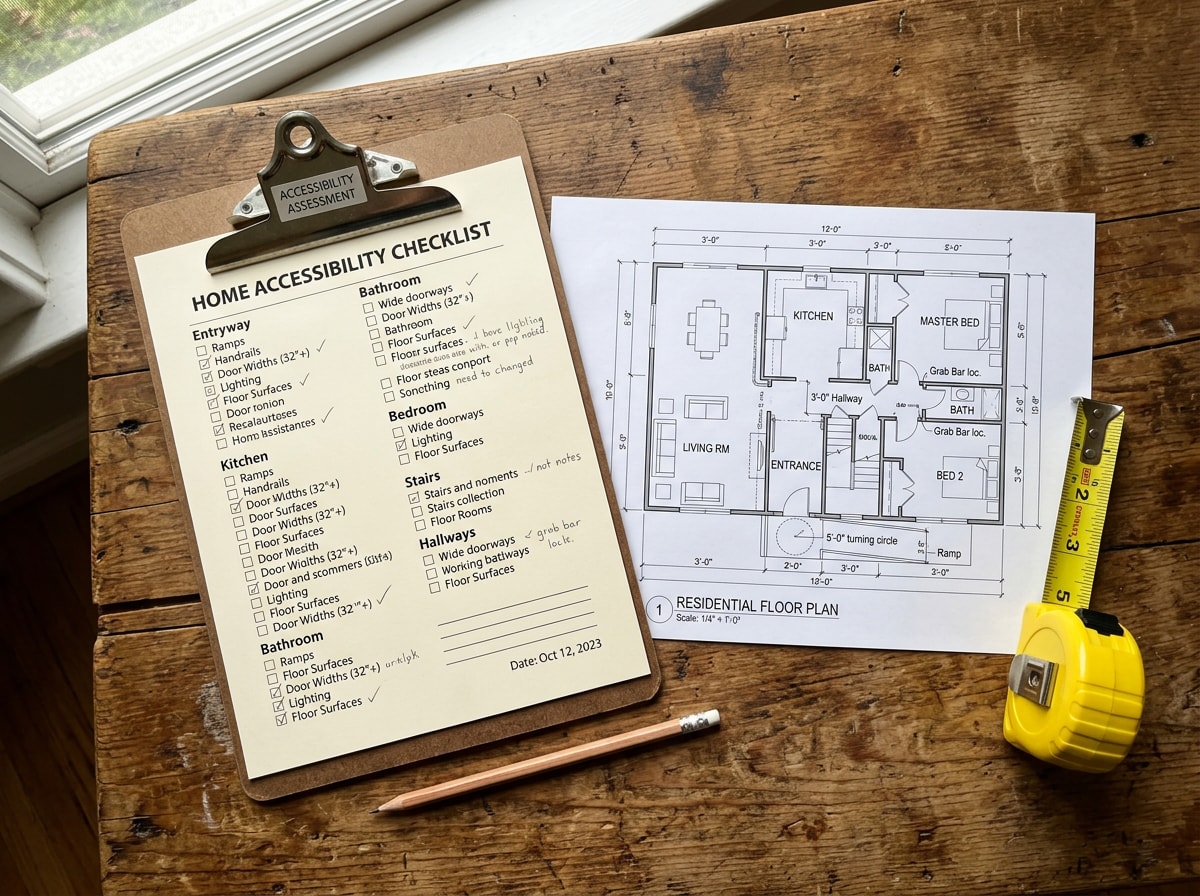
An Interior Remodeling Consultation or Home Remodeling Consultation is a low-cost way to get that sequence right before any contracts are signed.
Licensing, Permits, and Flood Code Rules in Miami-Dade
Contractors performing structural or electrical aging-in-place work in Miami-Dade must hold an active license, and most accessibility remodels (ramps, bathroom reconfigurations, widened doorways) require a building permit before work starts. Smaller, non-structural updates, like adding grab bars to existing wall studs, sometimes fall outside permit requirements, though it's worth confirming case by case.
Current permit requirements, fee schedules, and inspection scheduling are published on Miami-Dade County's Building & Permits site, which is worth checking before any contract is signed. Always confirm a contractor's license status directly rather than taking their word for it.
Larger projects also need to account for Florida's flood code rules. Miami-Dade enforces a "substantial improvement" threshold: if combined renovation costs reach 50% or more of a structure's market value within the county's look-back period, the entire structure must be brought up to current flood elevation and building code. Miami-Dade's flood zone guidance explains how this is calculated and when it applies.
Who Pays for Aging-in-Place Remodeling
Most homeowners cover aging-in-place remodeling out of pocket or with family contributions, but several other paths exist.
- Medicaid waivers: Florida's HCBS waiver programs may cover some home modifications for qualifying low-income seniors, though coverage and waitlists vary by county.
- VA grants: Veterans may qualify for the VA's Home Improvements and Structural Alterations (HISA) program, which covers medically necessary modifications like ramps, roll-in showers, and accessible counters, up to $6,800 for service-connected conditions.
- Home equity loans or lines of credit: common for larger projects like additions, since they typically carry lower interest rates than personal loans.
- Nonprofit and area-agency-on-aging programs: some offer limited grants for low-income seniors.
Review your options with our team before signing with a contractor so your financing and project scope line up from the start.
Where We Remodel Across Miami-Dade
Kitchen & Decor remodels homes for aging in place throughout South Florida, including Miami, Coral Gables, Kendall, Pinecrest, Coconut Grove, Doral, South Miami, and Pembroke Pines. Visit {{SITE_URL}}/ to see our full service area and current project work.
FAQ
How Much Does Aging-in-Place Remodeling Cost in Miami?
Costs range widely by project. Grab bars run $150–$400 per bathroom, a curbless shower typically runs $6,000–$15,000, and a full accessory dwelling unit can exceed $80,000. Get a home-specific number before budgeting, since permit requirements and material choices shift pricing quickly.
What Modifications Are Needed for Aging in Place?
Most homes need some combination of a curbless shower, grab bars, non-slip flooring, a zero-step entry, wider doorways, lever-style hardware, and better lighting in hallways and entryways. Bathrooms and entrances are almost always the first priority because they carry the highest fall risk.
What Are the Five Pillars of Aging in Place?
The five pillars of aging in place are generally defined as safety, accessibility, comfort, independence, and access to health or medical care. Together, they describe the conditions a home needs to support someone living there safely as they age, without requiring a move to a care facility.
Each pillar addresses a different risk: safety reduces fall hazards, accessibility removes physical barriers, comfort covers lighting and temperature, independence supports daily tasks without help, and health access keeps medical care reachable. Most aging-in-place projects in Miami touch several pillars at once; a curbless shower, for example, improves both safety and independence.
What Is the 30% Rule for Renovations?
The 30% rule is a common renovation budgeting guideline suggesting homeowners avoid spending more than roughly 30% of their home's current market value on a remodeling project, to protect long-term return on investment. For a Miami remodel budget, that means pricing the home first, then weighing aging-in-place project costs against that ceiling. This is a general guideline, not a fixed rule, and a financial advisor or appraiser can help apply it to a specific home.
What Is the 50% Rule and Does It Apply to My Remodel?
The 50% rule is a Miami-Dade flood-code trigger, officially the substantial improvement rule, that applies when renovation costs reach 50% or more of a structure's current market value within the county's look-back period. Crossing that threshold means the entire structure must be brought up to current flood and building code, which can significantly expand project scope. This matters most for larger aging-in-place projects like additions or full home renovations, less so for smaller updates like grab bars or flooring.
How Do I Design for Aging in Place?
Designing for aging in place means applying universal design principles from the start: single-level living where possible, wide doorways, lever-style door and faucet hardware, and bright, even lighting throughout. These choices work well for people of any age or ability, which is part of why universal design has become the standard approach for modern accessible homes.
About the Author
This guide was written by the design team at Kitchen & Decor, a Miami-Dade remodeling company whose lead designers include a NAHB Certified Aging-in-Place Specialist (CAPS). Our crews have handled accessibility remodels from single grab-bar installs to full ADU additions across Kendall, Pinecrest, and Coral Gables. Have questions about your own home? Contact us for a free, no-pressure walkthrough.